 Back
BackThe Dynamics of Correctional Institutions: Canadian Context and Historical Development
Study Guide - Smart Notes
 Tailored notes based on your materials, expanded with key definitions, examples, and context.
Creation of the Penitentiary
Early Prison Models
The development of penitentiaries in North America was heavily influenced by early U.S. prison models, notably the Pennsylvania model and the Auburn model. These models shaped the philosophy and architecture of early Canadian prisons.
Pennsylvania Model: Emphasized solitary confinement and reflection as a means of rehabilitation.
Auburn Model: Focused on silent group labor during the day and solitary confinement at night.
The Kingston Penitentiary in Canada was designed using principles of "moral architecture," which included strict silence, harsh punishment, and limited food rations as disciplinary measures.
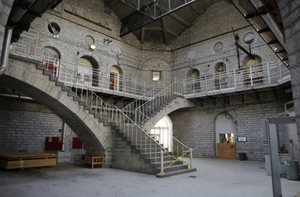
The Brown Commission later condemned the use of corporal punishment in Kingston Penitentiary and emphasized the need for rehabilitation over punitive measures.
Corporal Punishment: Physical punishment such as whipping or flogging, which was common in early prisons.
Rehabilitation: The process of helping offenders reintegrate into society through education, therapy, and skill-building.
Example: The shift from corporal punishment to rehabilitation marked a significant change in correctional philosophy, influencing modern correctional practices.
Corrections in Canada
Types of Correctional Facilities
Canada's correctional system is divided between federal and provincial/territorial jurisdictions, with additional facilities operated by non-profit organizations.
Federal Facilities: Operated by the Correctional Service of Canada (CSC) for offenders serving sentences of two years or more. Facilities range from maximum-security penitentiaries to halfway houses.
Provincial/Territorial Facilities: Manage correctional institutions, remand centres (for those awaiting trial or sentencing), and mental health centres for offenders serving sentences of less than two years.
Non-Profit Facilities: Organizations such as the Elizabeth Fry Society and John Howard Society provide community-based support and reintegration services.
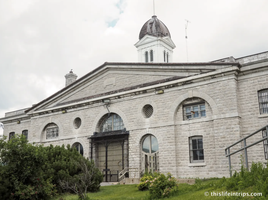

Example: Dorchester and Westmorland are examples of federal institutions, while Burnside Jail in Dartmouth is a provincial facility.
Incarceration Rates
Trends and Comparisons
Incarceration rates refer to the number of individuals held in correctional facilities per 100,000 population. These rates are influenced by sentencing laws, crime rates, and correctional policies.
Canada's incarceration rate is lower than that of the United States but higher than many Western European countries.
Trends in incarceration rates can reflect changes in criminal justice policy, such as the introduction of mandatory minimum sentences or alternatives to incarceration.
Example: Policy shifts toward rehabilitation and community-based sentences can reduce incarceration rates over time.
Challenges in Correctional Institutions
Policy, Oversight, and Accountability
Correctional institutions face numerous challenges in balancing security, rehabilitation, and human rights. Key challenges include:
Meeting Policy and Legislative Requirements: Ensuring that institutional practices comply with laws and regulations.
Accountability for Decisions: Correctional staff and administrators must justify their actions, especially regarding inmate treatment and discipline.
Rule of Law and Fairness: Institutions are required to act fairly and uphold the legal rights of inmates.
Oversight: External bodies such as provincial/territorial ombudspersons, auditor generals, and the federal Office of the Correctional Investigator provide oversight and investigate complaints.
Example: Oversight agencies play a critical role in ensuring transparency and addressing systemic issues within correctional institutions.
Mental Health in Correctional Institutions
Provision of Psychiatric Care
Mental health services in prisons are a significant concern. According to Dr. Ivan Zinger, Correctional Investigator, the Correctional Service of Canada (CSC) should not be responsible for delivering specialized long-term acute psychiatric care. The quality of care provided to inmates with mental health needs is seen as a reflection of societal values and human rights commitments.
Acute Psychiatric Care: Intensive mental health treatment for individuals with severe mental illnesses.
Human Rights: Ensuring the dignity and humane treatment of all individuals in custody.
Example: Calls for reform emphasize the need for specialized mental health facilities and services outside the traditional correctional system.
Additional info: The integration of mental health care within correctional settings remains a debated issue, with advocates pushing for community-based alternatives and improved access to psychiatric services.
