 Back
BackBone Structure, Function, and Essential Nutrients: Study Notes for Anatomy & Physiology
Study Guide - Smart Notes
 Tailored notes based on your materials, expanded with key definitions, examples, and context.
Bone Structure and Function
The Skeletal System: Overview
The skeletal system is a vital organ system that provides structural support, protection, and enables movement. It also serves as a site for blood cell synthesis and mineral storage.
Movement: Bones and connective tissues allow for various types of movement.
Support and Protection: The skeleton protects internal organs and supports the body.
Blood Cell Synthesis: Red and white blood cells and platelets are produced in bone marrow.
Mineral Storage: Bones store minerals such as calcium, phosphorus, and magnesium.
Bone Anatomy and Structure
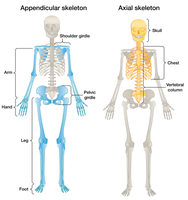
The human skeleton consists of 206 bones, divided into two main parts:
Axial Skeleton: Includes the skull, vertebral column, and rib cage (80 bones).
Appendicular Skeleton: Includes the shoulder girdle, pelvic girdle, and limbs (126 bones).
Bones are classified into four types:
Long bones
Short bones
Flat bones
Irregular bones
Bone Tissue Types
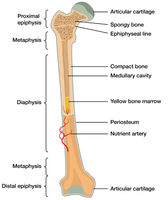
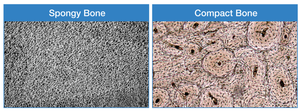
Bone is composed of both inorganic and organic materials, structured into two main tissue types:
Trabecular (Spongy) Bone: Porous, found at the ends of long bones and inside vertebrae.
Cortical (Compact) Bone: Dense, forms the outer layer of bones.
Bone Cells and Remodeling
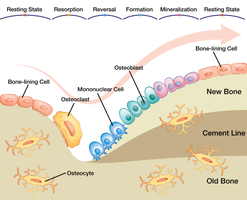
Bone is a living tissue, constantly remodeled throughout life.
Osteoblasts: Build new bone tissue.
Osteoclasts: Break down bone tissue.
Osteocytes: Mature bone cells, most abundant in bone tissue.
Bone Remodeling: The process of breaking down and rebuilding bone at the same location, especially in adulthood.
Bone Resorption and Formation
Bone Resorption: Osteoclasts secrete hydrogen ions to dissolve minerals in the bone matrix.
Osteoid: Unmineralized bone tissue.
Bone adapts to mechanical stress through remodeling.
Micronutrients Essential for Bone Health
Calcium
Calcium is the most abundant mineral in the body and is essential for bone health and several physiological functions.
Bone and Tooth Formation
Nerve Impulse Transmission
Muscle Contraction
Blood Clotting
Hormone Release: Insulin from pancreas
Energy for Muscle Contraction
Calcium Regulation
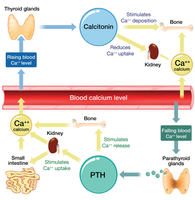
Blood calcium levels are tightly regulated by hormones:
Parathyroid Hormone (PTH): Increases blood calcium.
Calcitriol: Active form of vitamin D, increases blood calcium.
Calcitonin: Decreases blood calcium.
Sources of Calcium
Dairy products (cheese, milk)
Fortified foods (cereals, soy milk, orange juice)
Tofu
Green vegetables (broccoli, kale, mustard greens, brussel sprouts)
Vitamin D
Vitamin D is a fat-soluble vitamin essential for calcium absorption and bone health.
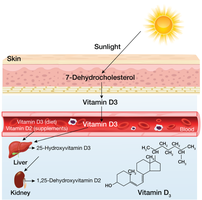
Most vitamin D3 is synthesized in the skin via sunlight exposure.
Converted to calcidiol in the liver, then to calcitriol in the kidneys (active form).
Vitamin D Deficiency
Nutritional Rickets: Childhood disease causing soft, weak bones.
Osteomalacia: Adult disease causing bone softening.
Low vitamin D increases risk of osteoporosis.
Other Essential Micronutrients for Bone Health
Phosphorus
Second most abundant mineral in the body.
85% stored in the skeleton.
Added to foods for texture, taste, and shelf-life.
Magnesium
Part of mineralized bone tissue.
Required for ATP reactions, DNA/RNA synthesis, nerve conduction, and muscle contraction.
Dietary sources: green leafy vegetables, fish, dairy, meats, whole grains, nuts, chocolate, coffee, hard water.

Fluoride
Blocks tooth decay and is part of bone tissue.
Primary source: fluoridated water.
Mechanisms: blocks acid formation, prevents demineralization, enhances remineralization.
Vitamin K
Acts as a coenzyme modifying proteins important for bone health.
Sources: green vegetables (broccoli, cabbage, kale, parsley, spinach, lettuce).
Osteoporosis
Characteristics and Types
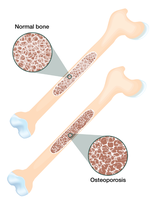
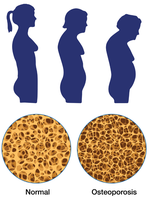
Osteoporosis is a disease characterized by excessive bone loss, leading to weakened bones and increased fracture risk.
Type 1 (Postmenopausal): Rapid bone loss in women aged 50-70, often affecting wrist and spine.
Type 2 (Senile): Occurs after age 70, affects hip and spine, more common in women.
Bone Mineral Density (BMD)
Peak Bone Mass: Maximum bone tissue developed in a lifetime.
BMD: Measurement of calcified tissue in bone, predicts fracture risk.
DEXA: Dual-energy X-ray absorptiometry, used to measure BMD.
Risk Factors for Osteoporosis
Nonmodifiable Risk Factors
Age (after 40)
Female sex
Small body frame
White or Asian ethnicity
Low estrogen levels
Certain medications and diseases (e.g., glucocorticoids, anorexia, chronic kidney disease, Crohn’s disease, hyperthyroidism, diabetes, cancer, COPD, rheumatoid arthritis)
Modifiable Risk Factors
Physical inactivity
Being underweight
Smoking, alcohol, caffeine
Poor nutrition (low calcium and vitamin D, inadequate protein)
Osteoporosis Prevention and Treatment
Primary Prevention
Begins early in life, especially during puberty.
Regular BMD measurement for at-risk groups.
Nutrition: Adequate calcium and vitamins A, C, D, E, K.
Physical activity: Weight-bearing exercises (walking, running, soccer, basketball).
Fall prevention: Environmental modifications, vision and balance checks.
Secondary Prevention
Pyramid approach: base level (nutrition, activity, fall prevention), second level (treat underlying disorders), third level (pharmacotherapy).
Deficiency, Supplementation, and Choices
Groups at Risk for Calcium Inadequacy
Adolescent teens
Women with amenorrhea
Female athlete triad
Older adults
Postmenopausal women
Lactose-intolerant people
Vegans
Calcium Supplements
Types: Calcium carbonate, citrate, lactate, phosphate.
Elemental calcium: ~200 mg per pill.
Some natural sources may contain high lead levels.
Benefits: Increased peak bone mass, maintained BMD, reduced osteoporosis risk, decreased fracture incidence.
GI tract can absorb only up to 500 mg at a time; split doses are more effective.
The Calcium Debate
Sufficient dietary calcium prevents osteoporosis and cardiovascular disease.
Supplements recommended for those unable to meet dietary needs.
Excess calcium can impair absorption of other minerals (iron, zinc).
Other Choices Affecting Bone Health
High soda intake (diet high in phosphate) decreases bone health.
Lactose-free diets may predispose to inadequate bone mineralization.
Summary Table: Bone-Related Micronutrients
Micronutrient | Primary Role | Sources |
|---|---|---|
Calcium | Bone formation, nerve transmission, muscle contraction, blood clotting | Dairy, fortified foods, green vegetables |
Vitamin D | Calcium absorption, bone health | Sunlight, salmon, fortified foods |
Phosphorus | Bone mineralization | Meat, dairy, processed foods |
Magnesium | Bone maintenance, ATP reactions | Green vegetables, fish, whole grains, nuts |
Fluoride | Prevents tooth decay, bone mineralization | Fluoridated water |
Vitamin K | Protein modification for bone health | Green vegetables |
Key Equations
Bone Mineral Density (BMD)
BMD is measured as the amount of calcified tissue per unit area:
Calcium Homeostasis
Regulation involves PTH, calcitriol, and calcitonin:
Additional info:
Bone remodeling is a continuous process, essential for maintaining bone strength and adapting to stress.
Osteoporosis is often asymptomatic until a fracture occurs, making prevention and early detection crucial.
