 Back
BackThe Lymphatic System and Immunity: Structure, Function, and Defense Mechanisms
Study Guide - Smart Notes
 Tailored notes based on your materials, expanded with key definitions, examples, and context.
The Lymphatic System and Immunity
Introduction to the Lymphatic System and Immunity
The lymphatic system is a vital component of the body's defense mechanisms, working closely with the immune system to resist infection and disease. It consists of a network of vessels, tissues, and organs that produce, maintain, and distribute lymphocytes and other immune cells throughout the body.
Immunity: The ability to resist infection and disease through coordinated cellular and molecular responses.
All body cells and tissues contribute to immunity, forming the immune system.
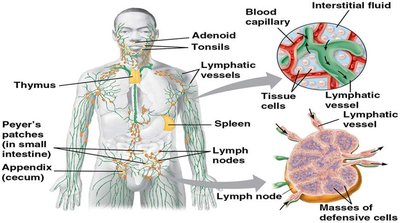
Components and Functions of the Lymphatic System
Main Functions
Production, maintenance, and distribution of lymphocytes and other lymphoid cells.
Return of excess interstitial fluid to the bloodstream, maintaining normal blood volume.
Transport of hormones, nutrients, and waste products.
Major Components
Lymph: A fluid similar to plasma but lacking plasma proteins.
Lymphatic vessels: Network of vessels that carry lymph from peripheral tissues to the venous system.
Lymphoid tissues and organs: Scattered throughout the body, including lymph nodes, spleen, thymus, and mucosa-associated lymphoid tissue (MALT).
Lymphoid cells: Includes lymphocytes (T cells, B cells, NK cells), phagocytes, and other immune cells.
Lymphatic Vessels and Circulation
Lymphatic Capillaries and Vessels
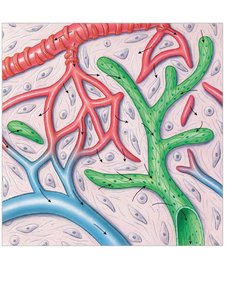
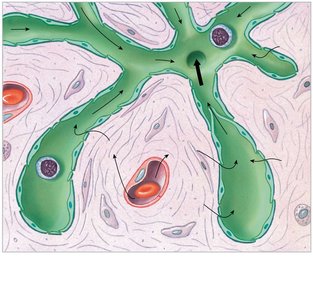
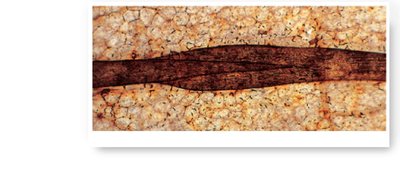
Lymphatic capillaries are the starting point of the lymphatic network. They are composed of loosely bound endothelial cells that overlap to form one-way valves, allowing the entry of fluids, solutes, viruses, and bacteria, but preventing their return to intercellular spaces.
Closed at one end, not forming a continuous tube.
Larger luminal diameters and thinner walls than blood capillaries.
Lymph Flow and Valves
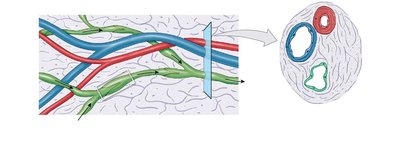
Lymph flows from capillaries into larger lymphatic vessels, which contain one-way valves to ensure unidirectional flow toward the venous system. These vessels are classified as superficial or deep lymphatics, and eventually drain into major collecting ducts.
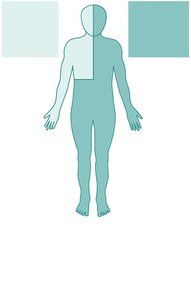
Thoracic duct: Drains lymph from the left side of the body and tissues inferior to the diaphragm into the left subclavian vein.
Right lymphatic duct: Drains lymph from the right upper quadrant of the body into the right subclavian vein.
Lymphoid Tissues and Organs
Lymphoid Tissues
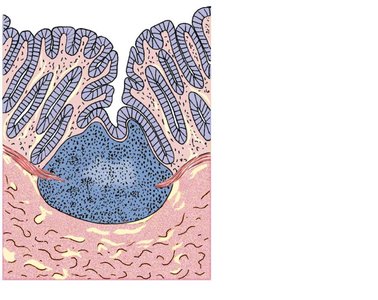
Lymphoid tissues are connective tissues dominated by lymphocytes. Lymphoid nodules are areolar tissue packed with lymphocytes, often found in the mucosa of the digestive tract (MALT), respiratory, urinary, and reproductive tracts.
MALT: Mucosa-associated lymphoid tissue, including aggregated lymphoid nodules (Peyer's patches) and the appendix.
Lymphoid Organs
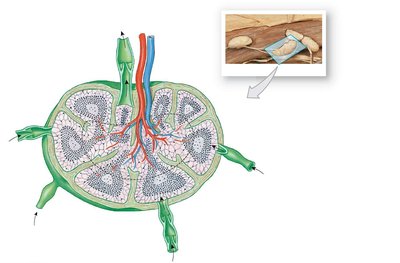
Lymph nodes: Filter lymph, removing 99% of antigens before lymph returns to venous circulation. Largest nodes are found in the groin, axillae, and base of the neck.
Tonsils: Five tonsils in the pharynx (pharyngeal, palatine, and lingual) protect against inhaled or ingested pathogens.
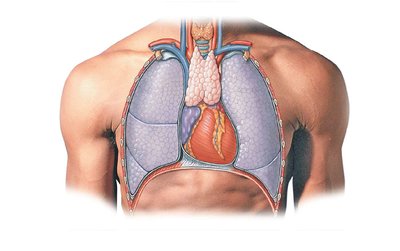
Thymus: Site of T cell maturation, located in the mediastinum. Atrophies after puberty, reducing immune effectiveness.
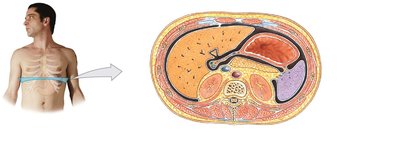
Spleen: Filters blood, removes abnormal blood cells, stores iron, and initiates immune responses to blood-borne antigens.
Lymphocytes: Types, Production, and Distribution
Types of Lymphocytes
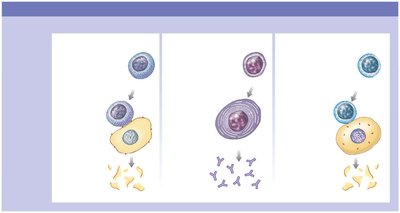
T cells (Thymus-dependent): Involved in cell-mediated immunity.
B cells (Bone marrow–derived): Responsible for antibody-mediated immunity.
NK cells (Natural killer cells): Provide immune surveillance and destroy abnormal cells.
Lymphocyte Production (Lymphocytopoiesis)
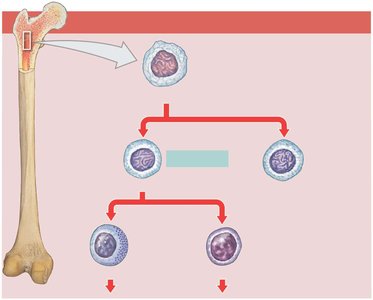
Occurs in bone marrow, thymus, and peripheral lymphoid tissues.
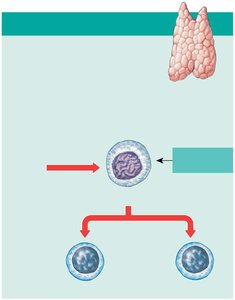
Hemocytoblasts in bone marrow produce lymphoid stem cells:
Group 1: Remain in bone marrow, become B cells and NK cells (B cells mature with interleukin-7).
Group 2: Migrate to thymus, become T cells (mature with thymic hormones).
Immunity: Innate and Adaptive Defenses
Types of Immunity
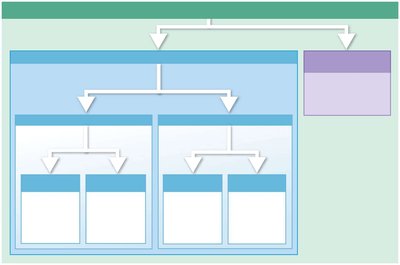
Innate (nonspecific) immunity: Present at birth, provides general protection against a wide range of pathogens.
Adaptive (specific) immunity: Develops after exposure to specific antigens, involving T and B lymphocytes.
Innate Defenses
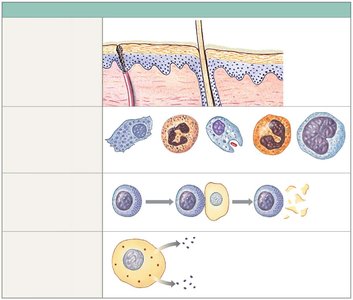
Physical barriers (skin, mucous membranes, secretions)
Phagocytes (microphages and macrophages)
Immune surveillance (NK cells)
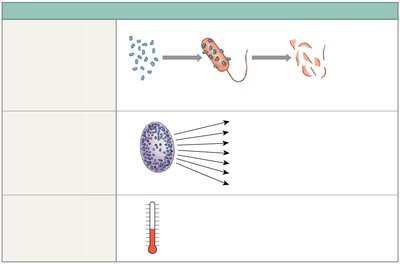
Interferons (antiviral proteins)
Complement system (plasma proteins aiding antibodies)
Inflammation (localized tissue response)
Fever (elevated body temperature)
Phagocytes and Immune Surveillance
Phagocytes engulf and destroy pathogens and debris.
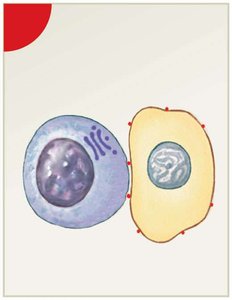
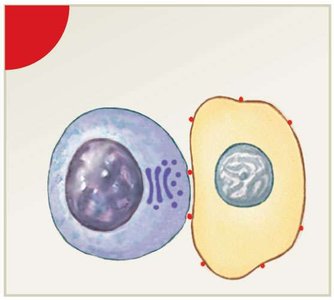
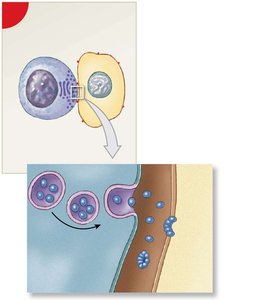
NK cells recognize and lyse abnormal cells using perforins.
Interferons and Complement System
Interferons are cytokines that trigger antiviral protein production, blocking viral replication.
The complement system enhances phagocytosis, cell lysis, and inflammation through a cascade of protein activations.
Inflammation and Fever
Inflammation is characterized by redness, swelling, heat, and pain, and serves to contain and eliminate pathogens.
Fever is induced by pyrogens and increases the efficiency of immune responses.
Adaptive (Specific) Immunity
Properties of Adaptive Immunity
Specificity: Each lymphocyte responds to a specific antigen.
Versatility: The body produces many types of lymphocytes.
Memory: Memory cells provide long-term immunity.
Tolerance: Immune system ignores self-antigens.
Cell-Mediated Immunity (T Cells)
Cytotoxic T cells attack infected or abnormal cells directly.
Helper T cells stimulate T and B cell responses.
Regulatory T cells moderate immune responses.
Memory T cells provide rapid response to previously encountered antigens.
Antibody-Mediated Immunity (B Cells)
B cells differentiate into plasma cells, which secrete antibodies specific to antigens.
Antibodies neutralize antigens, precipitate and agglutinate pathogens, activate complement, attract phagocytes, and prevent pathogen adhesion.
Memory B cells ensure a rapid and robust secondary response upon re-exposure to the same antigen.
Primary and Secondary Immune Responses
Primary response: Slow, initial response to antigen exposure, with low antibody titers.
Secondary response: Rapid, robust response due to memory cells, with higher and longer-lasting antibody titers.
Clinical Considerations and Immune System Integration
Immunocompetence and Disorders
Immunocompetence: The ability to mount an immune response after antigen exposure.
Hypersensitivities (allergies): Excessive immune responses to harmless antigens (allergens).
Autoimmune disorders: Immune system attacks self-antigens, leading to diseases such as thyroiditis, rheumatoid arthritis, and type 1 diabetes.
Effects of Aging
Immune system function declines with age, increasing susceptibility to infections and cancer.
Thymic hormone production decreases, T cell responsiveness is reduced, and immune surveillance against tumors diminishes.
Integration with Other Systems
The nervous and endocrine systems influence immune responses, highlighting the interconnectedness of body systems in maintaining health.
