Ch. 16 The Endocrine System
Amerman - Human Anatomy & Physiology 2nd Edition
Amerman2nd EditionHuman Anatomy & PhysiologyISBN: 9780136873822Not the one you use?Change textbook
Chapter 16, Problem L3.A3

Let's say that the dietary supplement in question 2 actually works and successfully blocks cortisol secretion. Could this drug potentially be harmful? Predict its effects on overall homeostasis.

Verified step by step guidance
1
Understand the role of cortisol in the body: Cortisol is a glucocorticoid hormone produced by the adrenal glands. It plays a critical role in maintaining homeostasis by regulating metabolism, immune responses, and the body's stress response. Blocking cortisol secretion could disrupt these processes.
Analyze the effects on metabolism: Cortisol helps maintain blood glucose levels by stimulating gluconeogenesis (the production of glucose from non-carbohydrate sources). If cortisol secretion is blocked, blood glucose levels may drop, leading to hypoglycemia. This could impair energy availability for cells, especially during stress or fasting.
Consider the impact on the immune system: Cortisol suppresses excessive immune responses and inflammation. Blocking cortisol secretion could lead to an overactive immune system, increasing the risk of autoimmune diseases or chronic inflammation, which could harm tissues and organs.
Evaluate the effects on stress response: Cortisol is essential for the body's ability to respond to stress. It helps mobilize energy and maintain cardiovascular function during stressful situations. Without cortisol, the body may struggle to cope with stress, leading to fatigue, low blood pressure, or even adrenal crisis in severe cases.
Assess the overall disruption to homeostasis: Homeostasis relies on the balance of hormones like cortisol. Blocking cortisol secretion could lead to widespread physiological imbalances, including metabolic dysfunction, immune dysregulation, and impaired stress adaptation. These disruptions could be harmful and potentially life-threatening.

Verified video answer for a similar problem:

This video solution was recommended by our tutors as helpful for the problem above.
Was this helpful?

Key Concepts

Here are the essential concepts you must grasp in order to answer the question correctly.

Cortisol and Its Functions

Cortisol is a steroid hormone produced by the adrenal glands, primarily in response to stress. It plays a crucial role in various bodily functions, including regulating metabolism, immune response, and blood pressure. Blocking cortisol secretion can disrupt these processes, potentially leading to negative health effects.
Recommended video:
06:04
Functional Groups

Homeostasis

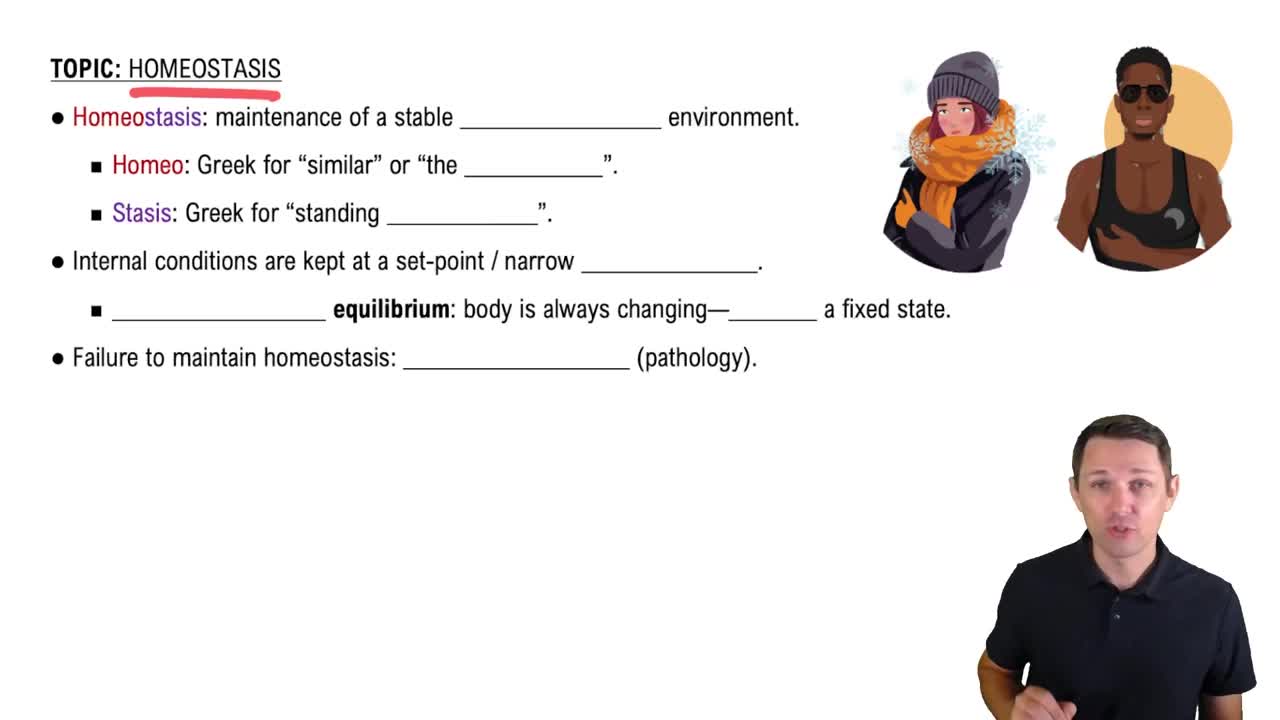
Homeostasis refers to the body's ability to maintain stable internal conditions despite external changes. This includes regulating temperature, pH, hydration, and electrolyte balance. Disrupting cortisol levels can affect homeostatic mechanisms, leading to imbalances that may harm overall health.
Recommended video:
Guided course
01:59
Introduction to Homeostasis

Negative Feedback Mechanisms

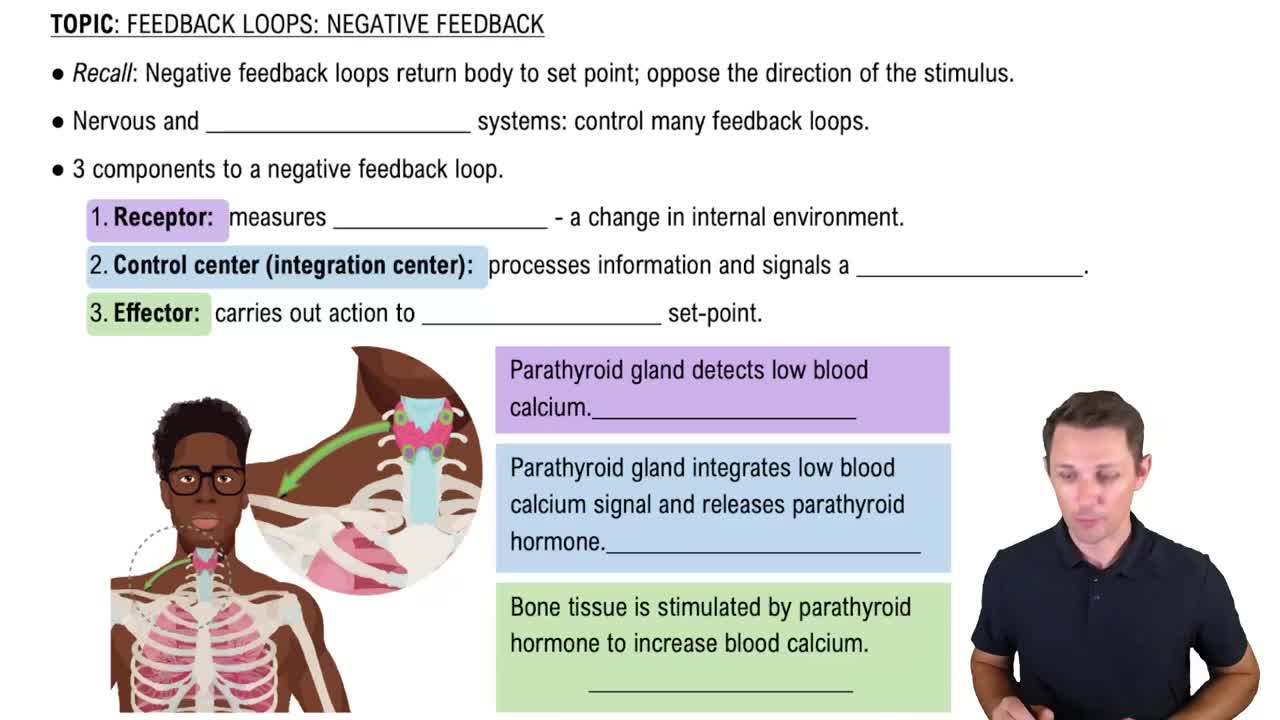
Negative feedback mechanisms are processes that counteract changes in the body to maintain homeostasis. For example, high cortisol levels typically signal the body to reduce its production. If a supplement blocks cortisol, it may disrupt this feedback loop, causing further hormonal imbalances and potential health risks.
Recommended video:
Guided course
03:26
Negative Feedback Loops
Related Practice
Textbook Question

A new diet guru claims hypersecretion of cortisol is the reason why so many people are obese. He is marketing a dietary supplement that is supposedly able to block cortisol secretion and lead to weight loss. How would cortisol hypersecretion cause weight gain? Would blocking normal cortisol secretion lead to weight loss? Why or why not?

964
views
Textbook Question

Which of the following correctly describes the functions of the endocrine system?

a. Transport of blood through the body and through the lungs

b. Regulation of body functions through hormone secretion

c. Regulation of body functions through nerve impulses

d. Immunity and returning extra tissue fluid to the blood vessels

1160
views
1
rank
Textbook Question

How does ADH affect the amount of water in the body, and how does it accomplish this? How does this affect the osmolarity of the blood?

1317
views
Textbook Question

Ms. Reczkiewicz has her thyroid gland removed to treat hyperthyroidism. Her condition is stable after surgery, but one day later she develops symptoms of severe hypocalcemia. What has happened? How would you correct this problem?

681
views
Textbook Question

You have read that aldosterone causes sodium ion retention from the kidneys. How would blocking aldosterone secretion decrease the amount of water retained from the fluid in the kidneys?

1069
views
Textbook Question

What has likely happened to the pH of Mr. Montez's blood? What does this mean about the hydrogen ion concentration in his blood? How will his buffer systems respond to this change in pH?

1012
views