Ch. 22 The Digestive System
Amerman - Human Anatomy & Physiology 2nd Edition
Amerman2nd EditionHuman Anatomy & PhysiologyISBN: 9780136873822Not the one you use?Change textbook
Chapter 22, Problem L3.2b

A surgical procedure known as gastric bypass involves removing all or part of the stomach.
How would stomach removal affect absorption of vitamin B12? Explain.

Verified step by step guidance
1
Understand the role of the stomach in vitamin B12 absorption: The stomach produces intrinsic factor, a glycoprotein secreted by parietal cells, which is essential for the absorption of vitamin B12 in the small intestine.
Recognize the impact of stomach removal: If the stomach is partially or completely removed, the production of intrinsic factor is significantly reduced or eliminated, which directly affects the body's ability to absorb vitamin B12.
Explain the downstream effects: Without intrinsic factor, vitamin B12 cannot bind to it and form the complex required for absorption in the ileum (the last part of the small intestine). This can lead to vitamin B12 deficiency over time.
Discuss potential consequences of vitamin B12 deficiency: A deficiency in vitamin B12 can result in pernicious anemia, neurological symptoms, and other systemic issues due to its role in red blood cell production and nervous system function.
Suggest possible solutions: Patients who undergo gastric bypass or stomach removal may require lifelong vitamin B12 supplementation, either through intramuscular injections or high-dose oral supplements, to bypass the need for intrinsic factor.

Verified video answer for a similar problem:

This video solution was recommended by our tutors as helpful for the problem above.
Was this helpful?

Key Concepts

Here are the essential concepts you must grasp in order to answer the question correctly.

Gastric Bypass Surgery

Gastric bypass surgery is a weight-loss procedure that alters the digestive system by creating a small pouch from the stomach and connecting it directly to the small intestine. This significantly reduces the stomach's capacity and changes the way food is absorbed, impacting nutrient intake and absorption, including vitamins and minerals.
Recommended video:
2:07
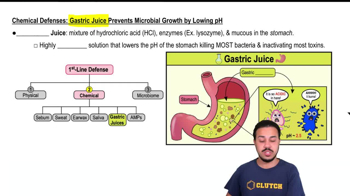
Gastric Juice

Vitamin B12 Absorption

Vitamin B12 absorption primarily occurs in the ileum, the last part of the small intestine, and requires intrinsic factor, a protein produced in the stomach. When part or all of the stomach is removed, the production of intrinsic factor may be compromised, leading to decreased absorption of vitamin B12 and potentially resulting in deficiency.

Nutritional Deficiencies Post-Surgery

Post-surgical patients, especially those who undergo gastric bypass, are at risk for nutritional deficiencies due to altered digestion and absorption. Regular monitoring and supplementation of essential nutrients, including vitamin B12, are crucial to prevent complications such as anemia and neurological issues associated with deficiencies.
Recommended video:
04:26
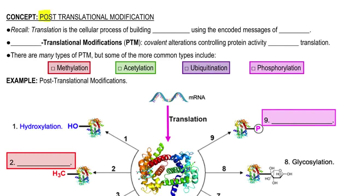
Post-Translational Modification
Related Practice
Textbook Question

Mr. Williams presents to your clinic with a complaint of abdominal pain in the right upper quadrant. He says that the pain worsens when he eats, particularly when he eats fatty meals. He has noticed that his stool has been an unusual clay color recently. You perform an ultrasound of his abdomen and find that gallstones are blocking his common bile duct, preventing bile from entering the duodenum.

You test Mr. Williams's stool and find high amounts of undigested fats. Explain this finding.

644
views
Textbook Question

Drugs with anticholinergic side effects block ACh receptors in the peripheral nervous system, including those on digestive organs. Predict the effects such drugs would have on motility and secretion on the specific organs of the digestive system.

864
views
Textbook Question

Individuals experiencing prolonged vomiting lose a great deal of hydrochloric acid with the vomitus. Predict the effect this loss of acid will have on the pH of the blood. How will the respiratory system respond to the change in pH?

876
views
Textbook Question

Mr. Williams presents to your clinic with a complaint of abdominal pain in the right upper quadrant. He says that the pain worsens when he eats, particularly when he eats fatty meals. He has noticed that his stool has been an unusual clay color recently. You perform an ultrasound of his abdomen and find that gallstones are blocking his common bile duct, preventing bile from entering the duodenum.

Explain why his feces have become a clay color instead of a normal brown color.

639
views
Textbook Question

A surgical procedure known as gastric bypass involves removing all or part of the stomach.

Ms. Anthony has undergone gastric bypass, and her stomach has been removed entirely. She goes out to dinner and eats an extremely large meal. Explain what will happen in her small and large intestine following this meal.

701
views
Textbook Question

Mr. Williams presents to your clinic with a complaint of abdominal pain in the right upper quadrant. He says that the pain worsens when he eats, particularly when he eats fatty meals. He has noticed that his stool has been an unusual clay color recently. You perform an ultrasound of his abdomen and find that gallstones are blocking his common bile duct, preventing bile from entering the duodenum.

Why are his symptoms worse when he consumes a high-fat meal? Would you expect his symptoms to worsen or lessen when he consumes a meal consisting only of carbohydrates? Explain.

727
views