 Back
BackThe Human Blood Circulatory System: Structure, Function, and Health
Study Guide - Smart Notes
 Tailored notes based on your materials, expanded with key definitions, examples, and context.
Blood Circulatory System
Overview of the Circulatory System
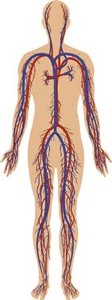
The human blood circulatory system is the main transport system in the body, responsible for delivering substances and protecting against diseases. It consists of three main components: the blood, the heart, and the blood vessels.
Blood: The fluid that transports nutrients, gases, and waste products.
Heart: A muscular organ that pumps blood throughout the body.
Blood Vessels: Tubular structures (arteries, veins, capillaries) that carry blood to and from all body parts.
The Heart
Structure and Function
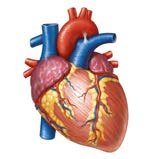
The heart is a muscular organ, about the size of a clenched fist, located in the middle of the chest, slightly to the left. Its main function is to pump blood into blood vessels, ensuring circulation to all body parts.
Location: Middle of the chest, slightly left.
Function: Pumps blood into arteries, maintaining circulation.
The Blood
Composition of Blood
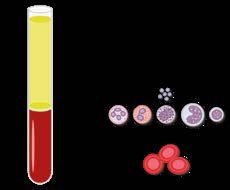
Blood is a complex fluid composed of plasma and various cells. Under a microscope, blood appears as a mixture of different cell types suspended in plasma.a red fluid coming out of an open wound.
Plasma (~55%): Pale yellow liquid, mainly water, containing dissolved substances (glucose, salts, gases, proteins, waste).
Red Blood Cells (RBCs) (~41%): Most abundant cells, contain haemoglobin for oxygen transport.
White Blood Cells (WBCs) and Platelets (~4%): WBCs defend against pathogens; platelets are involved in clotting.
Red Blood Cells (RBCs)
RBCs are specialized for oxygen transport. They are biconcave, lack a nucleus, and are packed with haemoglobin, a red pigment that binds oxygen.
Shape: Flattened, biconcave for increased surface area.
No nucleus: More space for haemoglobin.
Function: Carry oxygen from lungs to tissues and return carbon dioxide to lungs.
Magnification Formula:
magnification is defined as the number of times that an image appears bigger than the real object
White Blood Cells (WBCs)
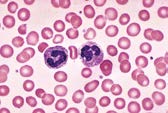
WBCs are larger than RBCs, have a nucleus, and are less numerous. They are essential for immune defense, protecting the body from pathogens by engulfing and digesting them or by producing antibodies.
Phagocytosis: Some WBCs engulf and digest bacteria and viruses.
Antibody Production: Other WBCs produce antibodies to neutralize pathogens.
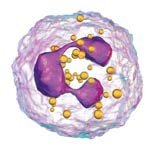
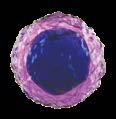
Additional info: Antibodies are proteins that specifically bind to foreign antigens, marking them for destruction.
Platelets
Platelets are small cell fragments that play a crucial role in blood clotting. When a blood vessel is damaged, platelets gather at the site, forming a clot to stop bleeding and prevent the entry of germs.
Function: Initiate blood clotting to prevent blood loss and infection.

Summary Table: Functions of Blood Components
Blood Component | Function(s) |
|---|---|
Plasma | Transports digested food, waste substances, and gases |
Red blood cells | Transport oxygen as oxy-haemoglobin |
White blood cells | Engulf and digest germs; produce antibodies |
Platelets | Help in blood clotting |
Blood Vessels(tube-like structures)
Types and Structure
Blood vessels form a continuous network for blood transport. There are three main types:
Arteries: Carry blood away from the heart, usually oxygen-rich, under high pressure.
Veins: Carry blood toward the heart, usually oxygen-poor, under low pressure.
Capillaries: Tiny vessels where exchange of substances occurs between blood and tissues.
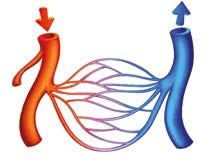
Structural Comparison of Blood Vessels
Feature | Artery | Vein | Capillary |
|---|---|---|---|
Size of lumen | Small/narrow | Large/wide | Very small |
Wall thickness | Thick (muscle & elastic fibers) | Thin | One cell thick |
Number of wall layers | Several | Several | Single layer |
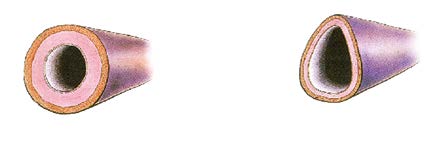
Functions of Blood Vessels
Type of Blood Vessel | Function |
|---|---|
Artery | Carries blood away from the heart; high pressure; usually oxygen-rich |
Vein | Carries blood toward the heart; low pressure; usually oxygen-poor; contains valves |
Capillary | Allows exchange of substances between blood and tissues |
Additional info: All arteries except the pulmonary artery carry oxygenated blood; all veins except the pulmonary vein carry deoxygenated blood.
Adaptations of Blood Vessels
Arteries: Thick walls and small lumen maintain high pressure; elastic fibers allow stretching and recoiling.
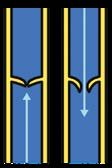
Veins: Thin walls, large lumen, and valves prevent backflow and allow blood flow under low pressure.
Capillaries: One-cell thick walls facilitate rapid exchange of gases, nutrients, and waste.
Pulse
Definition and Location
A pulse is the rhythmic stretching and recoiling of artery walls with each heartbeat, felt at specific points such as the wrist and neck. It reflects the heart's pumping action and the flow of blood under pressure.
Pulse points: Wrist (base of thumb), neck (under jaw).
Cardiovascular Diseases
Types and Causes
Cardiovascular diseases affect the heart and blood vessels, often due to lifestyle factors. Common examples include heart attack and stroke.
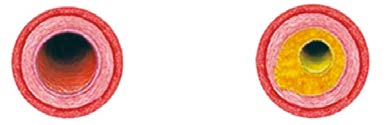
Heart attack: Caused by blockage of arteries supplying the heart, reducing oxygen and nutrient delivery.
Stroke: Occurs when arteries supplying the brain are blocked, leading to loss of function or paralysis.
Risk Factors and Prevention
Cause | Explanation | Preventive Measures |
|---|---|---|
High salt intake | Causes hypertension, damaging blood vessels | Reduce salt in diet |
Excess saturated fats/cholesterol | Fatty deposits block arteries | Reduce saturated fats and cholesterol |
Obesity | Puts strain on the heart | Eat healthy, exercise regularly |
Lack of exercise | Heart muscles lose tone, less efficient pumping | Exercise regularly |
Smoking | Nicotine damages heart and arteries | Stop smoking |
Stress | Increases blood pressure, damages vessels | Avoid stress |
Additional info: Blood donation is a life-saving practice, supporting patients during surgeries, cancer treatment, and trauma.
