Ch. 19 - Pathogenic Gram-Positive Bacteria
Bauman - Microbiology with Diseases by Taxonomy 6th Edition
Bauman6th EditionMicrobiology with Diseases by TaxonomyISBN: 9780134832302Not the one you use?Change textbook
Chapter 19, Problem 7

Pathogenic strains that have become resistant to antimicrobial drugs are found in which of the following genera?
a. Staphylococcus
b. Mycobacterium
c. Enterococcus
d. All of the above

Verified step by step guidance
1
Step 1: Understand the question is asking about pathogenic bacterial genera that have developed resistance to antimicrobial drugs.
Step 2: Recall that Staphylococcus species, such as Staphylococcus aureus, are well-known for developing resistance, including MRSA (Methicillin-resistant Staphylococcus aureus).
Step 3: Recognize that Mycobacterium, especially Mycobacterium tuberculosis, has strains resistant to multiple drugs, known as MDR-TB and XDR-TB.
Step 4: Know that Enterococcus species, particularly Enterococcus faecalis and Enterococcus faecium, have strains resistant to vancomycin (VRE - Vancomycin-resistant Enterococci).
Step 5: Conclude that since all these genera have pathogenic strains resistant to antimicrobial drugs, the correct answer includes all of the above.

Verified video answer for a similar problem:

This video solution was recommended by our tutors as helpful for the problem above.
Video duration:
1m
Was this helpful?

Key Concepts

Here are the essential concepts you must grasp in order to answer the question correctly.

Antimicrobial Drug Resistance

Antimicrobial drug resistance occurs when microorganisms evolve mechanisms to survive exposure to drugs designed to kill them or inhibit their growth. This resistance can arise through genetic mutations or acquiring resistance genes, making infections harder to treat.
Recommended video:
Guided course
02:43
Antimicrobial Peptides

Pathogenic Genera: Staphylococcus, Mycobacterium, and Enterococcus

These genera include species known to cause human diseases. Staphylococcus includes S. aureus, often resistant to methicillin (MRSA). Mycobacterium includes M. tuberculosis, which can be multidrug-resistant. Enterococcus species can be resistant to vancomycin (VRE), complicating treatment.
Recommended video:
Guided course
03:40
Introduction to Pathogenic Toxins

Clinical Implications of Multidrug-Resistant Pathogens

The presence of drug-resistant strains in these genera leads to challenges in infection control and treatment, requiring alternative therapies and strict hygiene measures. Understanding which genera harbor resistant strains helps guide appropriate antimicrobial use.
Recommended video:
Guided course
06:20
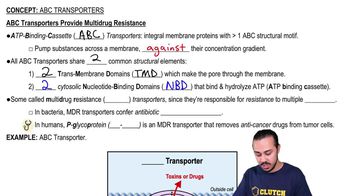
ABC Transporters Provide Multidrug Resistance