 Back
BackCardiovascular Disease and Nutrition: Dietary Fats, Blood Lipids, and Prevention
Study Guide - Smart Notes
 Tailored notes based on your materials, expanded with key definitions, examples, and context.
Cardiovascular Disease (CVD)
Definition and Overview
Cardiovascular disease (CVD) refers to dysfunction of the heart and blood vessels. The type and amount of dietary fat consumed can contribute to or protect against CVD. CVD is an umbrella term that includes coronary heart disease, stroke, and hypertension. - Coronary Heart Disease: Blockage of blood vessels supplying the heart, leading to reduced blood, nutrients, and oxygen flow, which may cause heart attacks. - Stroke: Blockage or rupture of blood vessels supplying the brain, resulting in loss of function such as movement or speech. - Hypertension: High blood pressure, often asymptomatic, increases risk for heart attack or stroke. 
CVD Statistics
Heart disease is the leading cause of death for both men and women in the U.S., regardless of ethnicity. - ~695,000 Americans died from heart disease in 2021 (1 in every 5 deaths). - CVD costs the U.S. nearly $240 billion annually. 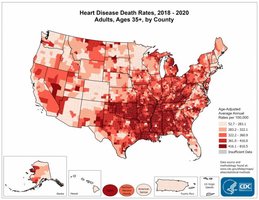
Symptoms of Heart Attack and Stroke
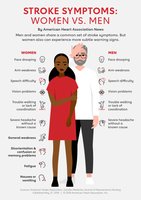
Symptoms can differ between men and women. - Heart Attack: Men often experience chest pain, while women may have nausea, jaw pain, or fatigue. - Stroke: Both genders may have face drooping and speech difficulty, but women can also experience headaches and fatigue. 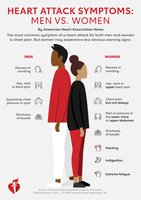
Risk Factors for CVD
Non-Modifiable Risk Factors
- Age (Men > 55 years, Women > 65 years) - Male gender - Family history - High-risk ethnicity (e.g., South Asian ancestry)
Modifiable Risk Factors
- Visceral adipose tissue - Sedentary lifestyle - Smoking and secondhand smoke exposure - Abnormal blood lipids - Hypertension - Diabetes - Inflammation - Air pollution
Atherosclerosis
Pathophysiology
Atherosclerosis is the buildup of lipids and scar tissue (plaque) in arterial walls, impairing blood flow and increasing risk of CVD. - Process: Endothelial injury → immune response → inflammation → increased permeability → cholesterol entry → plaque formation → narrowed artery/risk of rupture. - Causes: Hypertension, irritants (nicotine, tobacco, high blood glucose), bacteria, viruses. - Plaque Contents: Lipids, immune debris, clotting material. 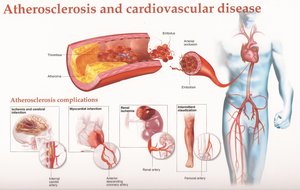
Blood Lipids and CVD
Types of Blood Lipids
Blood lipids include triglycerides, cholesterol, chylomicrons, VLDL, LDL, and HDL. - LDL (Low-Density Lipoprotein): High levels increase CVD risk. - HDL (High-Density Lipoprotein): High levels decrease CVD risk. - Triglycerides: High levels increase CVD risk. 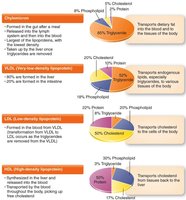
Blood Lipid Values and Interpretation
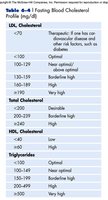
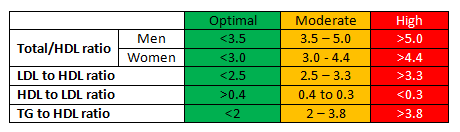
Blood lipid values are used to assess CVD risk.
Type | Optimal | Moderate | High |
|---|---|---|---|
Total/HDL ratio (Men) | <3.5 | 3.5–5.0 | >5.0 |
Total/HDL ratio (Women) | <3.0 | 3.0–4.4 | >4.4 |
LDL to HDL ratio | <2.5 | 2.5–3.3 | >3.3 |
HDL to LDL ratio | >0.4 | 0.4–0.3 | <0.3 |
TG to HDL ratio | <2 | 2–3.8 | >3.8 |
LDL Receptor Activity
Diets high in saturated and trans fats reduce LDL receptor activity, leading to elevated LDL levels in the bloodstream and increased plaque formation. 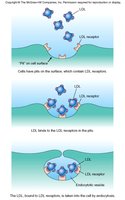
Dietary Fats and CVD Risk
Saturated and Trans Fats
- Saturated Fats: Increase LDL cholesterol, reduce LDL receptor activity, promote plaque formation. - Trans Fats: Increase LDL, decrease HDL, raise inflammation and heart attack risk. 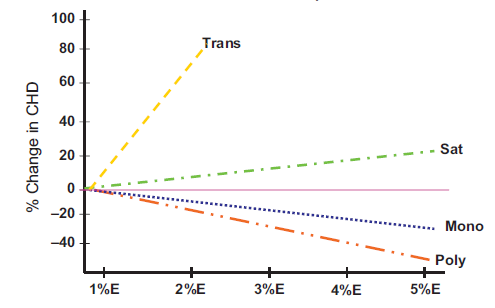
Role of Sugar
High sugar intake, especially fructose, increases LDL, reduces LDL particle size, raises triglycerides, lowers HDL, and promotes atherosclerosis. 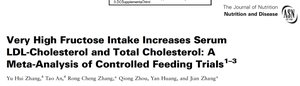

Dietary Treatment and Prevention
Dietary Recommendations
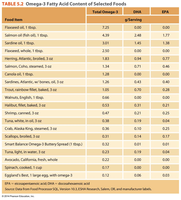
- Limit refined carbohydrates, saturated fat, and alcohol. - Increase omega-3 fatty acids, niacin, and physical activity. - Total fat intake: 20–35% of total calories. - Saturated fat: <10% (DGA), <6% (AHA) of total calories. - Trans fat: reduce to absolute minimum. - Increase dietary fiber (20–35 g/day), fruits, and vegetables. - Folate: 400 mcg/day to lower homocysteine. - Decrease salt, increase potassium. 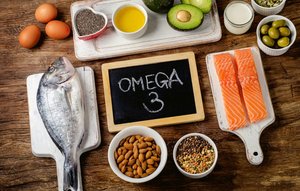
DASH Diet
The Dietary Approaches to Stop Hypertension (DASH) diet emphasizes whole grains, fruits, vegetables, nuts, seeds, and limits red and processed meats. 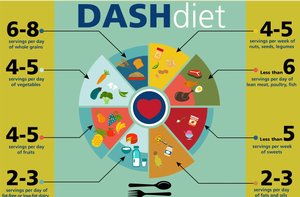
Red and Processed Meat
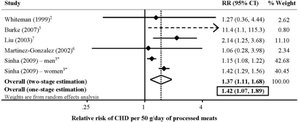
- 100g red meat/day does not significantly increase CHD risk. - 50g processed meat/day increases CHD risk. 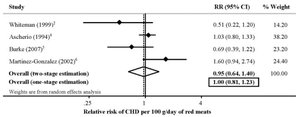
Lifestyle Changes for CVD Prevention
Recommendations
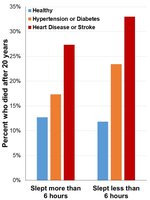
- Limit alcohol (<2 drinks/day for men, <1 for women). - Manage stress and get adequate sleep (at least 7 hours/night). - Maintain normal blood glucose. - Stop smoking/tobacco use (reduces risk by 50% within one year). - Regular health screenings. - Maintain active lifestyle and healthy body weight. 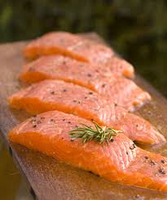
Summary: Fat & CVD Mortality
Key Takeaways
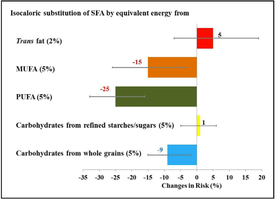
- Dairy products with saturated fat: neutral effect on mortality. - Nuts, olives, olive oil: decrease mortality. - Replacing saturated fat with mono/polyunsaturated fats: decreases mortality. - Replacing saturated fat with refined carbs: increases mortality. - Good eating patterns containing fat are acceptable when balanced and healthful. 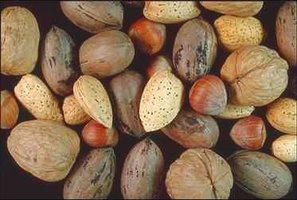
 Additional info: The notes expand on the original content by providing definitions, dietary recommendations, and context for interpreting blood lipid values and lifestyle modifications for CVD prevention.
