 Back
BackChapter 5: Lipids – Essential Energy-Supplying Nutrients
Study Guide - Smart Notes
 Tailored notes based on your materials, expanded with key definitions, examples, and context.
Chapter 5: Lipids
Overview of Lipids
Lipids are a diverse group of molecules that are insoluble in water and serve critical roles in the human body, including energy storage, structural functions, and signaling. The three main types of lipids found in foods and the body are triglycerides, phospholipids, and sterols.
Triglycerides: The most abundant lipid in foods and body fat, composed of one glycerol and three fatty acids.
Phospholipids: Structural components of cell membranes, made by the body and not essential in the diet.
Sterols: Include cholesterol, found in both food and the body, important for hormone synthesis and cell membrane integrity.
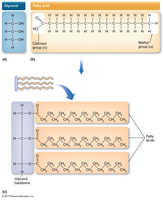
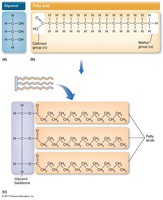
Triglycerides: Structure and Classification
Triglycerides consist of a glycerol backbone attached to three fatty acids. Fatty acids are classified by chain length, saturation, and shape, which influence their digestion, absorption, and function.
Chain Length: Short-chain (<6 carbons), medium-chain (6–12 carbons), and long-chain (≥14 carbons) fatty acids.
Saturation: Saturated (no double bonds), monounsaturated (one double bond), polyunsaturated (multiple double bonds).
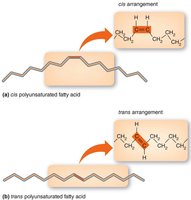
Shape: Cis (hydrogens on same side, natural, healthier) vs. trans (hydrogens on opposite sides, mostly artificial, harmful).
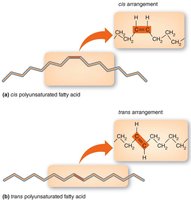
Triglycerides: Saturation and Health Implications
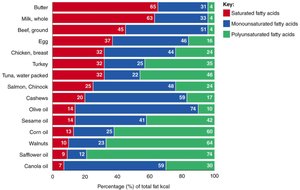
The degree of saturation affects the physical properties and health effects of fats. Saturated fats are solid at room temperature and are found in animal products and some plant oils. Unsaturated fats are generally liquid and are found in plant oils and fish.
Saturated Fatty Acids (SFA): Associated with increased risk of cardiovascular disease (CVD).
Monounsaturated Fatty Acids (MUFA): Found in olive oil, canola oil, and nuts; considered heart-healthy.
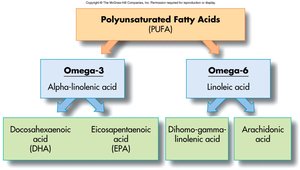
Polyunsaturated Fatty Acids (PUFA): Include essential fatty acids; found in vegetable oils, nuts, and fish.
Triglycerides: Hydrogenation and Trans Fats
Hydrogenation is a process that adds hydrogen atoms to unsaturated fatty acids, making oils more solid and increasing shelf life. Partial hydrogenation creates trans fats, which are linked to increased CVD risk. Trans fats raise LDL cholesterol and lower HDL cholesterol, promoting inflammation.
Trans Fats: Previously found in margarine, baked goods, and fried foods; now largely removed from the U.S. food supply.
Interesterification: An alternative process that replaces unsaturated fatty acids with saturated ones without producing trans fats.
Essential Fatty Acids (EFA)
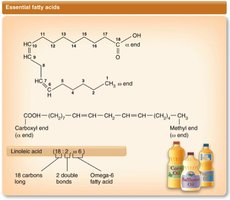
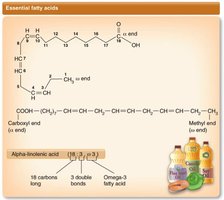
Essential fatty acids are unsaturated fats that cannot be synthesized by the body and must be obtained from the diet. The two main types are linoleic acid (omega-6) and alpha-linolenic acid (omega-3).
Linoleic Acid (Omega-6): Found in vegetable oils and nuts.
Alpha-Linolenic Acid (Omega-3): Found in flaxseed, chia, walnuts, canola oil, and fish.
Omega-3s are precursors to EPA and DHA, which are important for cardiovascular and brain health.
Essential Fatty Acids: Functions and Health
EFAs are precursors to eicosanoids, which regulate inflammation, blood clotting, and other physiological processes. Adequate intake of both omega-3 and omega-6 is essential for growth, health, and protection against CVD.
Ideal Ratio: Omega-6:Omega-3 should be 1:1–5:1; Western diets often exceed 10:1.
Deficiency Symptoms: Flaky skin, diarrhea, infections, delayed growth, anemia.
Omega-3 Fatty Acids and Brain Health
Omega-3 fatty acids are critical for normal brain function and development. Supplementation may benefit individuals with mild cognitive impairment, depression, and recovery from concussions. Low omega-3 levels may accelerate brain aging.

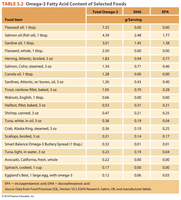
Omega-3 Fatty Acid Content of Foods
Dietary sources of omega-3s include fish, flaxseed, chia, walnuts, and canola oil. Target intake is 250–500 mg/day combined EPA and DHA.
Food | Total Omega-3 (g/serving) | DHA (g/serving) | EPA (g/serving) |
|---|---|---|---|
Flaxseed oil (1 tbsp) | 7.25 | 0.00 | 0.00 |
Salmon oil (1 tbsp) | 3.19 | 1.48 | 1.77 |
Salmon, cooked (3 oz) | 1.24 | 0.63 | 0.40 |
Walnuts (1 oz) | 2.57 | 0.00 | 0.00 |
Canola oil (1 tbsp) | 1.28 | 0.00 | 0.00 |
Egg (1 large) | 0.07 | 0.02 | 0.01 |
Additional info: See full table for more foods and values. |
Phospholipids
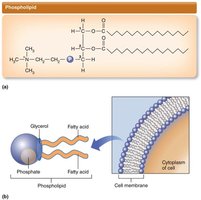
Phospholipids are composed of a glycerol backbone, two fatty acids, and a phosphate group. They are amphipathic, with hydrophilic (water-attracting) and hydrophobic (water-repelling) ends, making them ideal for cell membrane structure and fat transport in the bloodstream.
Functions: Regulate nutrient movement in and out of cells, transport fats, and maintain cell membrane integrity.
Food Sources: Egg yolks, nuts, soybeans.
Sterols
Sterols, such as cholesterol, contain multiple carbon rings. Cholesterol is produced mainly in the liver and is not required in the diet. It is used to make hormones, vitamin D, and bile, and is essential for cell membrane integrity.
Digestion, Absorption, and Transport of Lipids
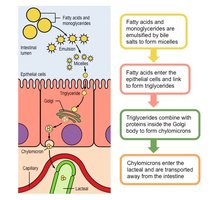
Most fat digestion occurs in the small intestine. Bile from the gallbladder emulsifies fats, and pancreatic enzymes break them down into fatty acids and monoglycerides. Micelles transport these products to enterocytes for absorption, where they are reassembled into triglycerides and packaged into chylomicrons for transport via the lymphatic system.
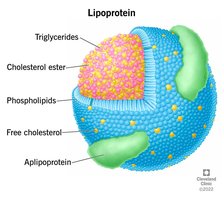
Chylomicrons: Lipoproteins that transport dietary fats from the intestine to tissues.
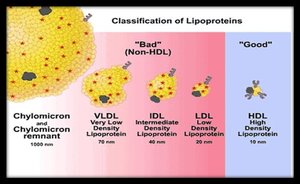
Lipoproteins: VLDL, LDL, HDL – each with distinct roles in lipid transport and cardiovascular health.
Functions of Fat in the Body
Fat provides energy (9 kcal/g), is used during rest and exercise, and is stored in adipose tissue. It is essential for absorbing fat-soluble vitamins (A, D, E, K), cell membrane structure, nerve transmission, organ protection, insulation, hormone production, and satiety.
Fat Cell Types
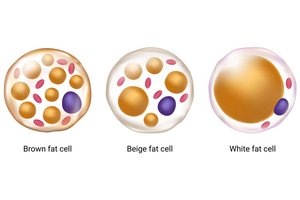
There are different types of fat cells in the body:
White adipocytes: Most common, store energy.
Brown adipocytes: More abundant in infants, generate heat.
Beige adipocytes: Intermediate characteristics.
Dietary Recommendations for Fat Intake
The Acceptable Macronutrient Distribution Range (AMDR) for fat is 20–35% of total calories. Saturated fat should be minimized (<10% of calories per Dietary Guidelines, <6% per AHA). Trans fats should be reduced to the absolute minimum. Replacing saturated fats with unsaturated fats, especially polyunsaturated, lowers LDL cholesterol and CVD risk.
Cardiovascular Disease (CVD) and Lipids
CVD includes diseases affecting the heart and blood vessels, such as coronary heart disease, stroke, and hypertension. Overconsumption of saturated and trans fats increases CVD risk. Dietary strategies to reduce risk include limiting saturated fat, avoiding trans fats, and increasing intake of unsaturated fats and whole grains.

Summary Review
Three types of lipids: triglycerides, phospholipids, sterols.
Triglycerides are classified by chain length, saturation, and shape.
Saturated vs. unsaturated fats: chemical differences and health implications.
Two types of essential fatty acids: omega-3 and omega-6; both are vital for health.
