 Back
BackNutrition-Related Health Conditions: Diabetes, Cardiovascular Disease, Hypertension, Cancer, Lactose Intolerance, Osteoporosis, and Iron Deficiency Anemia
Study Guide - Smart Notes
 Tailored notes based on your materials, expanded with key definitions, examples, and context.
Nutrition-Related Health Conditions
Overview
This guide covers the epidemiology, pathophysiology, risk factors, symptoms, and nutrition-focused management of major nutrition-related health conditions, including diabetes mellitus, cardiovascular disease, hypertension, cancer, lactose intolerance, osteoporosis, and iron deficiency anemia. Understanding these conditions is essential for nutrition students to apply evidence-based dietary strategies in clinical and public health settings.
Diabetes Mellitus (DM)
Pathophysiology and Diagnosis
Diabetes mellitus is a chronic metabolic disorder characterized by high/elevated blood glucose levels due to impaired insulin secretion, insulin action, or both. Diagnostic criteria include:
Fasting Blood Glucose: ≥ 126 mg/dL
HbA1C: ≥ 6.4%

Types of Diabetes and Risk Factors
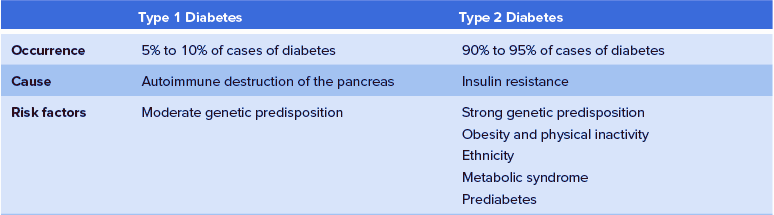
There are two main types of diabetes, each with distinct causes and risk profiles:
Type 1 Diabetes | Type 2 Diabetes | |
|---|---|---|
Occurrence | 5% to 10% of cases of diabetes | 90% to 95% of cases of diabetes |
Cause | Autoimmune destruction of the pancreas | Insulin resistance |
Risk factors | Moderate genetic predisposition | Strong genetic predisposition, Obesity and physical inactivity, Ethnicity, Metabolic syndrome, Prediabetes |
Gestational Diabetes Mellitus (GDM)
Gestational diabetes is defined as glucose intolerance with onset or first recognition during pregnancy, typically diagnosed in the second or third trimester. Women with pre-existing diabetes are not classified as having GDM.

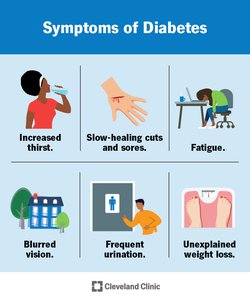
Common Symptoms of Diabetes
Polyuria (increased urination)
Polyphagia (increased hunger)
Polydipsia (increased thirst)
Weight loss
Blurry vision
Slow-healing cuts/bruises
Screening and Diagnosis
Adults with BMI ≥ 25 kg/m² (≥ 23 kg/m² for Asian Americans) and at least one other risk factor should be screened early.
General population: Begin testing at age 45.
Repeat testing every 3 years if results are normal, or more frequently based on risk.
Complications of Diabetes
Microvascular: Retinopathy, nephropathy, neuropathy
Macrovascular: Cardiovascular disease, stroke
Medical and Dietary Management
Medical: Insulin, oral glucose-lowering medications, regular monitoring (blood glucose, A1C, lipids, blood pressure, weight), and self-management education.
Dietary: Individualized meal plan, adequate fiber, limit added sugars and processed foods, promote complex carbohydrates (vegetables, fruits, whole grains, legumes), weight management, and regular exercise to improve insulin sensitivity.

Cardiovascular Disease (CVD)
Pathophysiology and Epidemiology
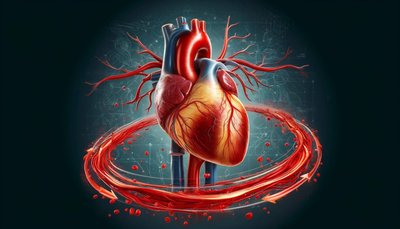
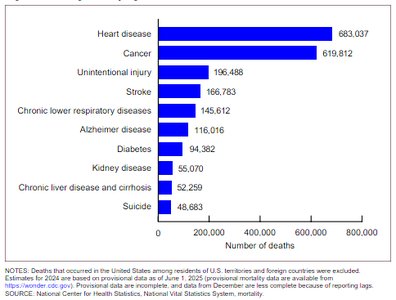
Cardiovascular disease encompasses disorders of the heart and blood vessels, primarily caused by atherosclerosis (fatty deposits that harden arteries). It is a leading cause of death globally and in the United States.
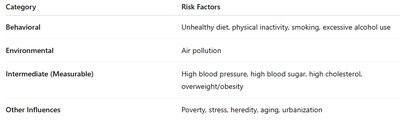
Risk Factors for CVD
Elevated blood cholesterol
Smoking
Hypertension (high blood pressure)
Unhealthy diet, physical inactivity, excessive alcohol use
Obesity, metabolic syndrome, diabetes
Genetic predisposition, age, stress
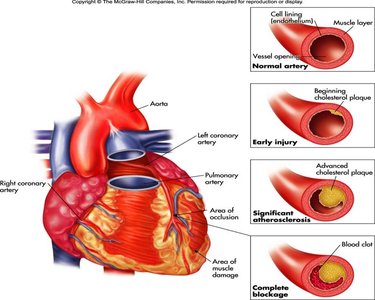
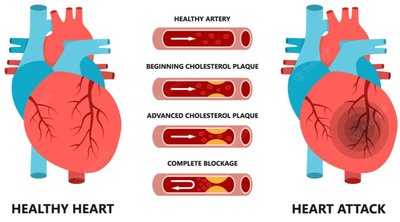
Pathophysiology of Atherosclerosis
Atherosclerosis involves injury to the arterial lining, accumulation of plaque (fat, calcium, cholesterol), narrowing of arteries, and potential blockage leading to heart attack or stroke.

Medical and Dietary Management of CVD
Medical: Cholesterol/triglyceride-lowering drugs, antihypertensives, antiplatelet agents, invasive procedures (angioplasty, stent, CABG surgery).
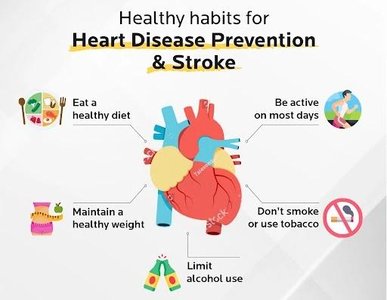
Dietary: Emphasize vegetables, fruits, whole grains, low-fat dairy, poultry, fish, legumes, olive oil, and nuts. Limit refined sugars, processed foods, saturated fat (<7%), and eliminate trans fats. Maintain healthy weight and encourage physical activity.
Hypertension (HTN)
Definition and Epidemiology
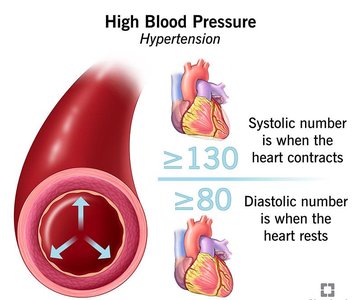
Hypertension is chronic elevation of blood pressure, affecting about 1 in 3 adults. Many are unaware due to its asymptomatic nature.
Risk Factors for Hypertension
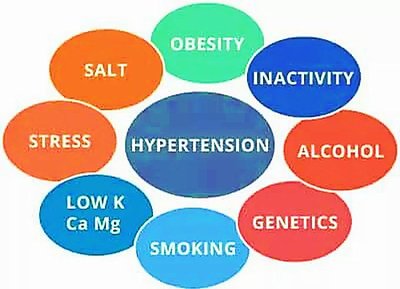
Genetic predisposition, age, ethnicity
Obesity, physical inactivity, smoking, alcohol
Diet high in sodium, low in potassium, calcium, magnesium
Medications (corticosteroids, estrogens, NSAIDs)
Complications of Hypertension
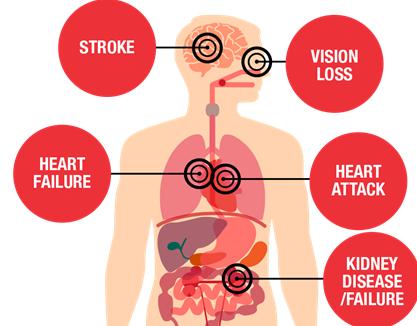
Cardiac failure
Myocardial infarction (heart attack)
Stroke
Kidney disease
Vision problems (retinopathy)
Dietary Approaches to Stop Hypertension (DASH)
Increase fruits, vegetables, whole grains, low-fat dairy, fish, poultry, beans, nuts, and vegetable oils
Increase calcium, potassium, fiber
Limit saturated/trans fats, sugar-sweetened beverages, sweets, and sodium
Limit alcohol and monitor caffeine intake
Cancer
Epidemiology and Pathophysiology
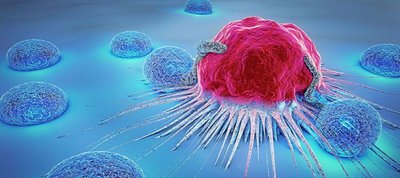
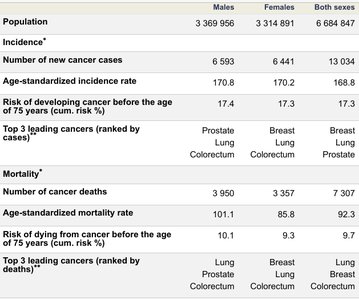
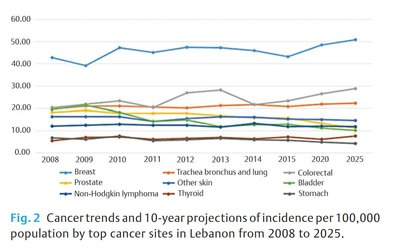
Cancer is the second leading cause of death among North American adults. Carcinogenesis involves initiation (DNA damage), promotion (cell proliferation), and progression (tumor growth and metastasis).
Risk Factors for Cancer
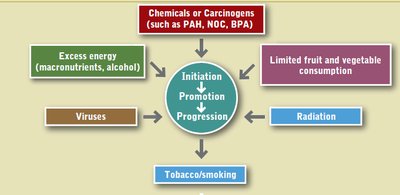
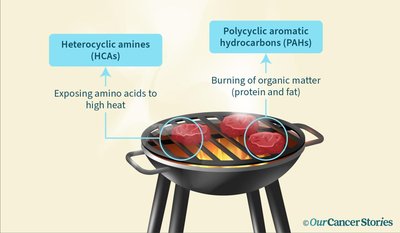
Dietary carcinogens (N-nitrosocompounds, acrylamide, polycyclic aromatic hydrocarbons)
Excess energy intake (macronutrients, alcohol)
Limited fruit and vegetable consumption
Radiation, viruses, tobacco/smoking


Cancer Prevention
Avoid tobacco
Limit or avoid alcohol
Stay physically active (150–300 min/week)
Maintain a healthy weight
Emphasize fruits, vegetables, whole grains, legumes
Limit processed foods, red and processed meats
Prioritize regular sleep and circadian health
Vaccination (HPV, Hepatitis B), screening (colorectal, breast, cervical)












Lactose Intolerance (LI)
Pathophysiology and Risk Factors
Lactose intolerance results from reduced lactase enzyme activity in the small intestine, leading to impaired digestion of lactose (milk sugar). Risk factors include age, ethnicity, premature birth, small intestine disorders, and prior radiotherapy.
Symptoms and Complications
Gas, bloating, cramps, pain, diarrhea
Complications: Malnutrition, osteopenia
Dietary Management
Most can tolerate moderate lactose (1/2–1 cup milk) especially with other foods
Hard cheeses and yogurt are better tolerated
Calcium-rich substitutes: low-lactose milk, fortified plant-based milk, dark leafy greens, canned sardines
Lactase enzyme supplements may be considered
Osteoporosis
Epidemiology and Pathophysiology
Osteoporosis is a reduction in adult bone mass, causing porous and fragile bones. It is a major public health concern, especially in older adults and postmenopausal women.
Risk Factors
Older age, female gender, white or Asian ethnicity
Hormone deficiency (estrogen/androgen)
Smoking, excess alcohol/caffeine
Low calcium or vitamin D intake
Physical inactivity, low body weight, family history
Long-term medication use (antacids, corticosteroids)
Management
Balanced diet with adequate calories, calcium, vitamin D, and protein
Low-fat dairy, leafy greens, fortified foods, fatty fish
Exercise: Strength/resistance training, balance, and coordination exercises
Avoid smoking and limit alcohol
Iron Deficiency Anemia
Pathophysiology and Risk Factors
Anemia is a blood disorder characterized by insufficient or dysfunctional red blood cells. Iron deficiency anemia results from long-term iron depletion, leading to impaired hemoglobin synthesis and microcytic red blood cells.
Stages and Diagnosis
Stage 1: Moderate iron depletion, no dysfunction
Stage 2: Severe iron depletion, no dysfunction
Stage 3: Iron deficiency with dysfunction
Stage 4: Iron deficiency anemia
Diagnosis: Complete blood count (CBC), hemoglobin levels (normal: 13–18 g/dL men, 12–16 g/dL women)
Medical and Dietary Management
Treat underlying disease
Oral iron supplements or parenteral iron (IV)
Diet: Foods high in iron (red meat, poultry, fish, legumes, fortified cereals, leafy greens)
Additional info: For all conditions, patient education and regular follow-up are essential for effective management and prevention of complications.
