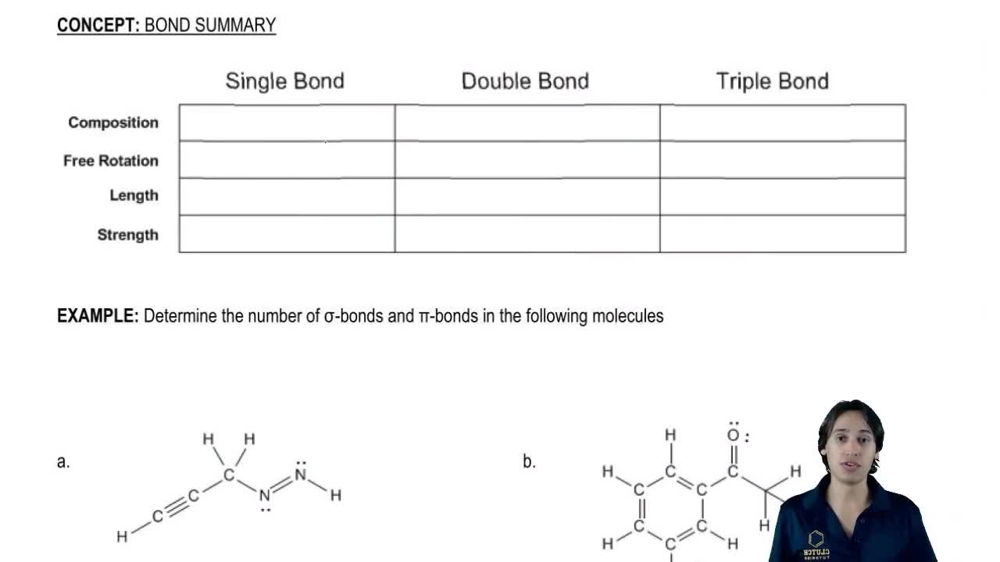
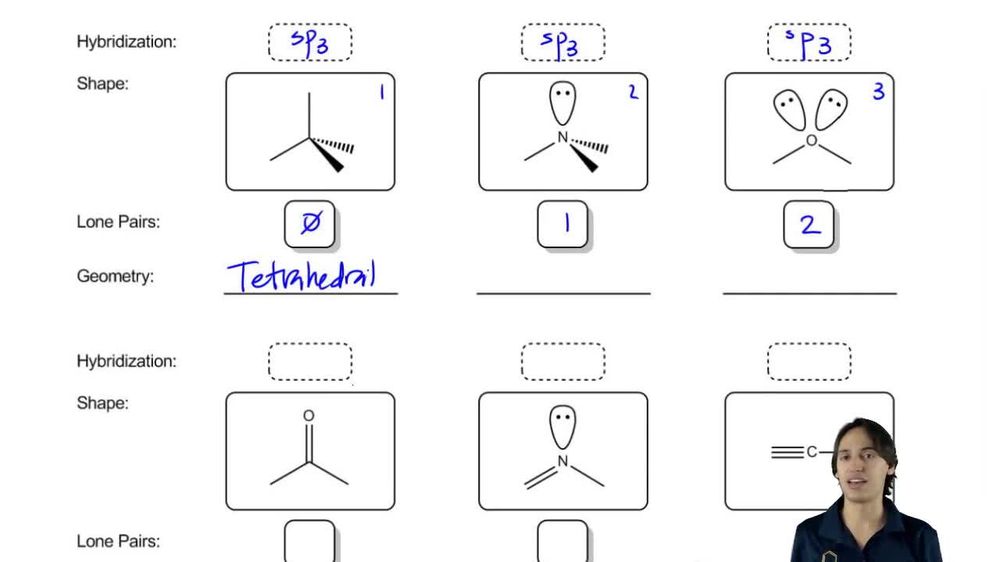
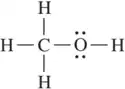
Refer to the following Lewis structures. (a) (b) If an atom is sp² hybridized, how many sp²-hybridized orbitals does it use for bonding? How many p orbitals?
Verified step by step guidance
1
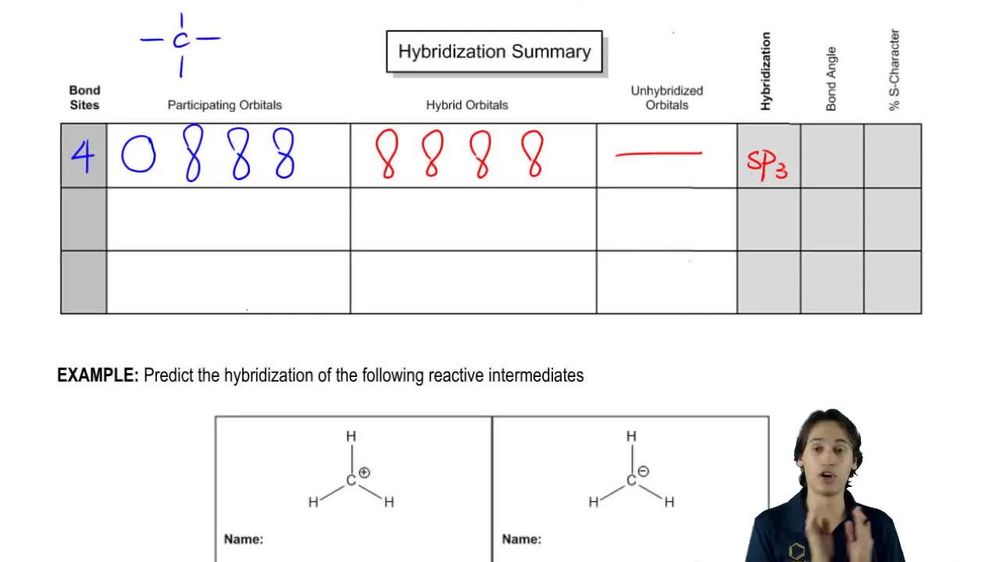
Step 1: Understand the concept of sp² hybridization. In sp² hybridization, one s orbital and two p orbitals mix to form three sp² hybrid orbitals. This leaves one unhybridized p orbital available for bonding or other interactions.
Step 2: Determine the number of sp²-hybridized orbitals. Since three orbitals (one s and two p) are hybridized, the atom will have three sp²-hybridized orbitals.
Step 3: Determine the number of unhybridized p orbitals. In sp² hybridization, one p orbital remains unhybridized. This unhybridized p orbital is perpendicular to the plane of the sp² orbitals and is often involved in π bonding.
Step 4: Summarize the findings. An atom with sp² hybridization uses three sp²-hybridized orbitals for bonding and has one unhybridized p orbital.
Step 5: Apply this understanding to specific molecules or Lewis structures as needed, identifying sp²-hybridized atoms and their bonding configurations.
Verified video answer for a similar problem:
This video solution was recommended by our tutors as helpful for the problem above
Video duration:
4m
Play a video:
0 Comments
Key Concepts
Here are the essential concepts you must grasp in order to answer the question correctly.
Hybridization
Hybridization is the concept in organic chemistry that describes the mixing of atomic orbitals to form new hybrid orbitals. In the case of sp² hybridization, one s orbital and two p orbitals combine to create three equivalent sp² hybrid orbitals, which are oriented in a trigonal planar geometry. This hybridization is crucial for understanding the bonding and geometry of molecules with double bonds or resonance structures.
Bonding orbitals are formed when atomic orbitals combine to create new orbitals that can accommodate electrons from two atoms. In sp² hybridization, the three sp² orbitals are used for sigma (σ) bonding with other atoms, while the remaining unhybridized p orbital can participate in pi (π) bonding, particularly in double bonds. This distinction is essential for predicting molecular shapes and reactivity.
The geometry of molecules refers to the three-dimensional arrangement of atoms within a molecule, which is influenced by the types of hybridization present. For sp² hybridized atoms, the geometry is trigonal planar, with bond angles of approximately 120 degrees. Understanding molecular geometry is vital for predicting the physical and chemical properties of compounds, including their reactivity and interaction with other molecules.

 4:02 minutes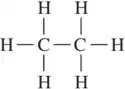
 Verified step by step guidance
 10:43
10:43