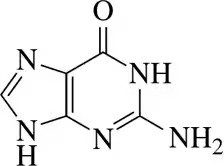
Identify the hydrogen bond donors and hydrogen bond acceptors in the following molecules. (d)
Verified step by step guidance
1
Step 1: Understand the concept of hydrogen bond donors and acceptors. A hydrogen bond donor is a molecule or functional group that has a hydrogen atom attached to an electronegative atom (such as oxygen, nitrogen, or fluorine) and can donate this hydrogen for hydrogen bonding. A hydrogen bond acceptor is an electronegative atom with lone pairs of electrons that can accept a hydrogen bond.
Step 2: Examine the molecular structure of the given molecule (d). Identify any electronegative atoms such as oxygen, nitrogen, or fluorine. These atoms are key players in hydrogen bonding.
Step 3: Look for hydrogens directly bonded to electronegative atoms in the molecule. These hydrogens are potential hydrogen bond donors.
Step 4: Identify lone pairs of electrons on electronegative atoms in the molecule. These lone pairs make the atoms potential hydrogen bond acceptors.
Step 5: Summarize the findings by listing the hydrogen bond donors and acceptors in the molecule. Ensure you clearly distinguish between the two roles based on the structural features of the molecule.
Verified video answer for a similar problem:
This video solution was recommended by our tutors as helpful for the problem above
Video duration:
3m
Play a video:
0 Comments
Key Concepts
Here are the essential concepts you must grasp in order to answer the question correctly.
Hydrogen Bond Donors
Hydrogen bond donors are molecules that contain a hydrogen atom covalently bonded to a highly electronegative atom, such as oxygen, nitrogen, or fluorine. This electronegative atom pulls electron density away from the hydrogen, creating a partial positive charge on the hydrogen. This positive charge allows the hydrogen to interact with lone pairs of electrons on other electronegative atoms, facilitating hydrogen bonding.
Hydrogen bond acceptors are atoms or molecules that possess lone pairs of electrons and can interact with the hydrogen atom of a hydrogen bond donor. Typically, these are electronegative atoms like oxygen, nitrogen, or fluorine. The ability of an acceptor to form a hydrogen bond depends on the availability of its lone pairs and its electronegativity, which influences the strength of the interaction.
Hydrogen bonding is a type of non-covalent interaction that occurs between a hydrogen atom bonded to an electronegative atom and another electronegative atom with a lone pair of electrons. This interaction is crucial in determining the physical properties of substances, such as boiling and melting points, and plays a significant role in biological systems, including the structure of DNA and proteins.