For each solvent, indicate the most likely substitution reaction to take place. (b)
Verified step by step guidance
1
Step 1: Understand the two main types of substitution reactions: SN1 and SN2. SN1 reactions are unimolecular and proceed via a carbocation intermediate, while SN2 reactions are bimolecular and occur via a single-step mechanism where the nucleophile attacks the substrate directly.
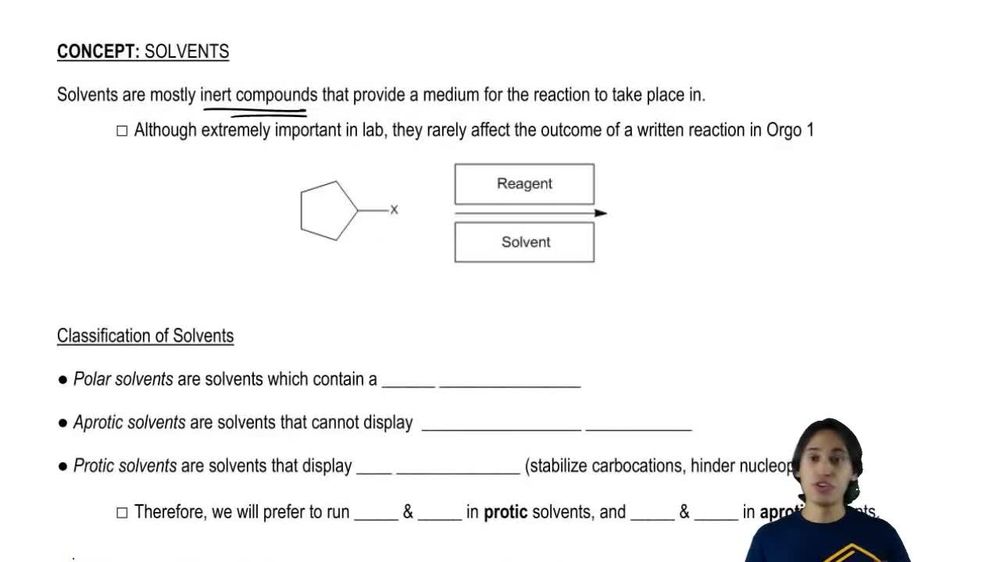
Step 2: Analyze the solvent provided in the problem. Polar protic solvents (e.g., water, alcohols) stabilize carbocations and favor SN1 reactions, while polar aprotic solvents (e.g., acetone, DMSO) do not stabilize carbocations but enhance nucleophilicity, favoring SN2 reactions.
Step 3: Consider the substrate structure. Tertiary substrates are more likely to undergo SN1 reactions due to the stability of the carbocation intermediate, while primary substrates favor SN2 reactions due to steric hindrance being minimal.
Step 4: Evaluate the nucleophile strength. Strong nucleophiles typically favor SN2 reactions, while weak nucleophiles are more compatible with SN1 reactions.
Step 5: Combine the solvent type, substrate structure, and nucleophile strength to determine the most likely substitution mechanism for the given solvent. Match these factors to the characteristics of SN1 or SN2 reactions.
Verified video answer for a similar problem:
This video solution was recommended by our tutors as helpful for the problem above
Video duration:
2m
Play a video:
0 Comments
Key Concepts
Here are the essential concepts you must grasp in order to answer the question correctly.
Nucleophilic Substitution Reactions
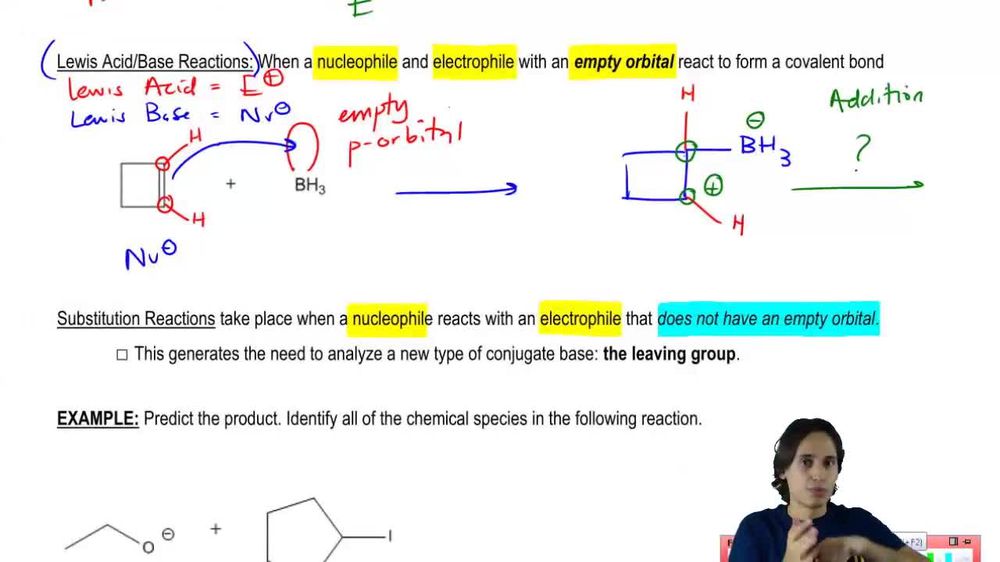
Nucleophilic substitution reactions involve the replacement of a leaving group in a molecule by a nucleophile. These reactions can occur via two main mechanisms: SN1, which is unimolecular and involves a carbocation intermediate, and SN2, which is bimolecular and involves a direct attack by the nucleophile. The choice of solvent can significantly influence the mechanism and rate of these reactions.
Nucleophiles and Electrophiles can react in Substitution Reactions.
Solvent Effects on Reaction Mechanisms
The choice of solvent can affect the stability of intermediates and the reactivity of nucleophiles in substitution reactions. Polar protic solvents stabilize cations and can favor SN1 mechanisms, while polar aprotic solvents enhance nucleophilicity and favor SN2 mechanisms. Understanding these effects is crucial for predicting the outcome of substitution reactions.
General format of reactions and how to interpret solvents.
Leaving Groups
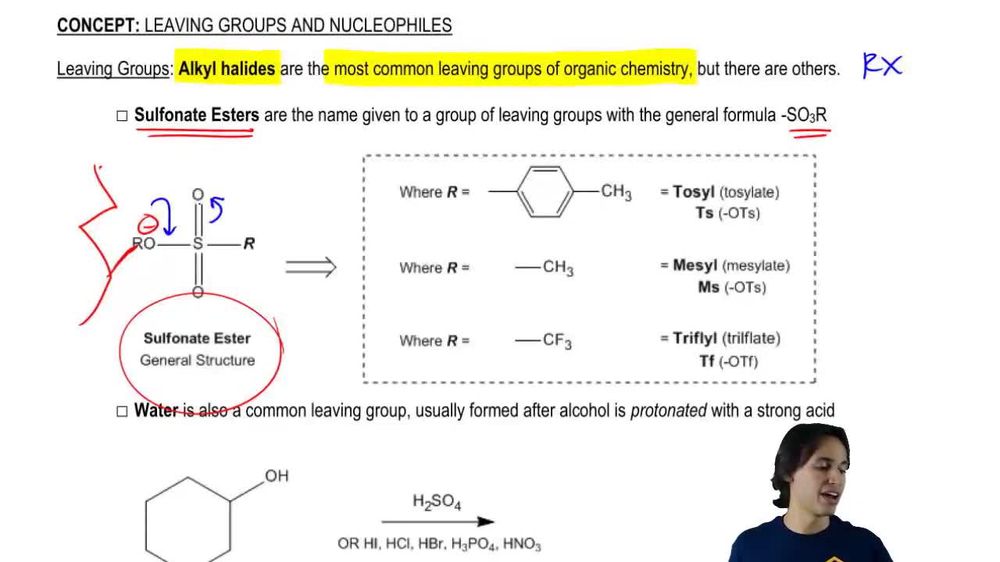
Leaving groups are atoms or groups that can depart from the parent molecule during a substitution reaction, allowing for the nucleophile to take their place. Good leaving groups are typically weak bases, such as halides or sulfonate esters, as they can stabilize the negative charge after departure. The nature of the leaving group can significantly influence the reaction pathway and rate.

 2:55 minutes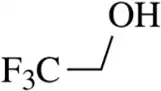
 Verified step by step guidance
 01:47
01:47