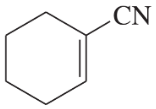
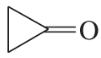
Circle the functional groups in the following structures. State to which class (or classes) of compounds the structure belongs. (g) (h) (i)
Verified step by step guidance
1
Identify the functional groups present in each structure. Functional groups are specific groups of atoms within molecules that are responsible for the characteristic chemical reactions of those molecules.
For structure g, look for common functional groups such as hydroxyl (-OH), carbonyl (C=O), carboxyl (-COOH), amino (-NH2), and others. Circle each functional group you identify.
For structure h, repeat the process of identifying and circling functional groups. Pay attention to any multiple bonds, heteroatoms, or specific arrangements of atoms that indicate a functional group.
For structure i, again identify and circle the functional groups. Consider any unique features that might indicate a less common functional group.
After identifying the functional groups in each structure, determine the class of compounds each structure belongs to based on the functional groups present. For example, a structure with a hydroxyl group might belong to the alcohol class, while a structure with a carbonyl group might belong to the ketone or aldehyde class.
Verified video answer for a similar problem:
This video solution was recommended by our tutors as helpful for the problem above
Video duration:
4m
Play a video:
0 Comments
Key Concepts
Here are the essential concepts you must grasp in order to answer the question correctly.
Functional Groups
Functional groups are specific groups of atoms within molecules that are responsible for the characteristic chemical reactions of those molecules. Identifying functional groups is crucial as they determine the properties and reactivity of organic compounds. Common examples include hydroxyl (-OH), carbonyl (C=O), and amino (-NH2) groups.
Organic compounds are categorized into classes based on their functional groups and structural features. These classes include alcohols, aldehydes, ketones, carboxylic acids, amines, and others. Understanding these classes helps in predicting the behavior and reactivity of compounds in chemical reactions.
Structural analysis involves examining the arrangement of atoms within a molecule to identify functional groups and determine the class of the compound. This process requires familiarity with molecular structures and the ability to recognize patterns that indicate specific functional groups, aiding in classification and understanding of chemical properties.

 4:28 minutes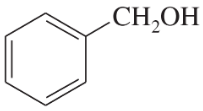
 Verified step by step guidance
 02:36
02:36