What alkene should be used to synthesize each of the following alkyl bromides? d.
Verified step by step guidance
1
Analyze the structure of the alkyl bromide provided. The molecule consists of a cyclohexane ring with a bromine atom and an ethyl group attached to the same carbon atom.
Determine the reaction type needed to synthesize this alkyl bromide. The addition of HBr to an alkene is a common method for introducing a bromine atom via electrophilic addition.
Identify the alkene precursor. To form the given alkyl bromide, the alkene should have a cyclohexane ring with a double bond at the position where the ethyl group and bromine will attach.
Apply Markovnikov's rule to predict the product. When HBr adds to the alkene, the bromine will attach to the more substituted carbon (the carbon already bonded to the ethyl group), ensuring the correct product is formed.
Conclude that the appropriate alkene for this synthesis is ethylcyclohexene, where the double bond is between the carbon bonded to the ethyl group and the adjacent carbon in the cyclohexane ring.
Verified video answer for a similar problem:
This video solution was recommended by our tutors as helpful for the problem above
Video duration:
5m
Play a video:
0 Comments
Key Concepts
Here are the essential concepts you must grasp in order to answer the question correctly.
Alkene Reactivity
Alkenes are hydrocarbons that contain at least one carbon-carbon double bond, making them reactive in various chemical reactions. Their reactivity is primarily due to the presence of the π bond, which can participate in electrophilic addition reactions. Understanding the reactivity of different alkenes is crucial for predicting the products formed when they react with halogens or other electrophiles.
Electrophilic addition is a fundamental reaction mechanism in organic chemistry where an electrophile reacts with a nucleophile, typically involving alkenes. In this process, the double bond of the alkene opens up to form a more stable product, often resulting in the addition of halogens or other groups across the double bond. This concept is essential for determining how to synthesize specific alkyl bromides from alkenes.
The synthesis of alkyl bromides from alkenes often involves the addition of bromine (Br2) or hydrogen bromide (HBr) to the alkene. The choice of alkene is critical, as it influences the regioselectivity and stereochemistry of the resulting alkyl bromide. Understanding the structure of the desired alkyl bromide helps in selecting the appropriate alkene for the synthesis process.

 5:33 minutes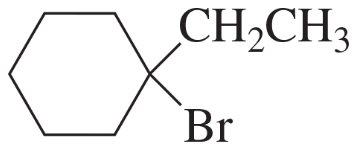
 Verified step by step guidance
 2:09
2:09