 Back
BackCaring for the Older Adult: Foundations of Gerontological Nursing and Healthy Aging
Study Guide - Smart Notes
 Tailored notes based on your materials, expanded with key definitions, examples, and context.
Introduction to Caring for the Older Adult
Overview of Gerontological Nursing
Gerontological nursing is a specialized field focused on the care of older adults, emphasizing holistic health, quality of life, and functional independence. The discipline has evolved from a narrow focus on illness to a broader, holistic approach that addresses the complex needs of aging populations.
Gerontology is the study of aging and the challenges encountered as people grow older.
Geriatrics refers specifically to the medical care of older adults, while gerontological nursing encompasses a broader, holistic perspective.
Gerontological nurses are required in diverse settings: hospitals, homes, long-term care, community, and rehabilitation centers.
The mission is to preserve function, enhance health, and provide quality end-of-life care.
Roles of Nurses in Older Adult Care
Registered Nurse (RN) and Licensed Practical Nurse (LPN) Roles
Nurses play critical roles in both institutional and community settings, providing leadership, decision-making, and effective communication within interdisciplinary teams.
RN Roles: Leadership, high-level decision-making, collaboration with all care team members, and family engagement.
LPN Roles: Leadership, decision-making, delegation to personal care assistants (PCAs), and assessment of care quality.
Collaboration is essential for optimal outcomes in long-term care (LTC).
Gerontological Nursing & Aging: The Future
Challenges and Trends
The demand for gerontological nurses is increasing due to demographic shifts, including the aging of the baby boomer generation. Ageism and staffing shortages are ongoing concerns.
Policies must address income, health, and long-term care needs globally.
Baby boomers are more informed and expect higher quality of life as they age.
Western Europe and Japan have older populations, while Africa remains relatively young.
Understanding Aging
Definitions and Age Categories
Aging is a lifelong process influenced by culture, society, history, and gender. Societal perceptions of aging vary widely.
Young-old: 65–74 years
Middle-old: 75–84 years
Old-old: 85+ years
Centenarians: 100 years and older
In Canada, 65 years is the typical marker for senior status.
Demographics of Aging in Canada
Population Trends and Implications
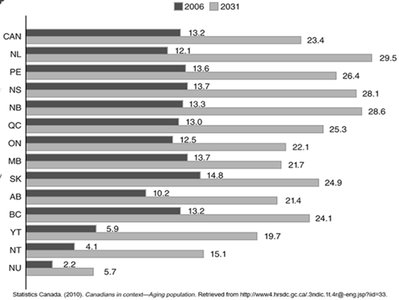
Demographic studies help determine the health needs of populations. The proportion of older adults in Canada is rising, with significant regional variation.
2015: 16.1% of Canadians were 65 or older; projected to be ~25% by 2031.
Newfoundland and Labrador (NL): 12.1% in 2006, 21.5% in 2019, projected 30% by 2031.
Implications include challenges in access to health, recreation, and education services, especially in rural areas.
Determinants of Health in Aging
Key Factors Influencing Health
Health and wellness in older adults are shaped by multiple, interrelated determinants. Nurses must consider these when planning care.
Income and social status
Social support networks
Education and literacy
Employment and working conditions
Social and physical environments
Biology and genetics
Personal health practices and coping skills
Healthy child development
Health services
Gender and culture
Lalonde Report (1974): Socioeconomic, environmental, and biological factors are as important as health care in influencing health outcomes.
Evidence-Informed Practice (EIP)
Principles and Application
Evidence-informed practice integrates the best available research evidence into clinical decision-making to improve outcomes for older adults.
Draws from multiple healthcare disciplines.
Guides clinical judgments and interventions.
Supported by organizations such as the Hartford Institute for Geriatric Nursing.
Professional Standards in Gerontological Nursing
Canadian Gerontological Nurses Association (CGNA) Competencies
The CGNA sets standards for gerontological nursing practice in Canada, emphasizing relational, ethical, evidence-informed, aesthetic, safe, and socio-politically engaged care.
Relational Care
Ethical Care
Evidence-Informed Care
Aesthetic/Artful Care
Safe Care
Socio-politically Engaged Care
Healthy Aging
Concept and Promotion
Healthy aging involves achieving the highest possible level of function and quality of life, considering all dimensions of health. Nurses play a key role in promoting healthy aging through assessment, education, and support.
Identify strengths and risk factors
Encourage lifestyle modifications
Provide referrals and resources as needed
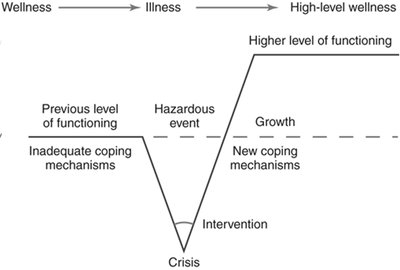
Interventions to Promote Healthy Aging
Strategies for Individuals
Interventions should be holistic and tailored to individual needs, focusing on physical, mental, and social well-being.
Encourage physical activity and exercise
Promote social engagement and support networks
Facilitate access to health services and education
Support coping skills and resilience
Ageism and Myths of Aging
Understanding and Addressing Ageism
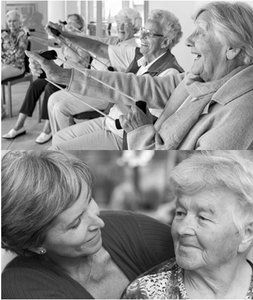
Ageism is the stereotyping and discrimination against individuals based on age. It can negatively impact health care delivery and the well-being of older adults.
Common myths: Depression is normal in aging, inevitable frailty, loss of independence, cessation of sexual activity, and universal tooth loss.
Education and awareness are essential to combat ageism and promote respect for older adults.
Policy and Action: Health Accord (2022) for Aging Population
National and Provincial Initiatives
Recent policy initiatives aim to improve the quality and accessibility of care for older adults, address ageism, and support aging in place.
Improving long-term care quality and availability
Training and supporting personal support workers
Developing age-friendly communities
Implementing programs to support seniors at home
Legislation and policy for accessible, quality care and protection
Summary Table: Age Categories and Demographic Trends
Category | Age Range | Canadian Demographic Trend (2031) |
|---|---|---|
Young-old | 65–74 | Increasing proportion |
Middle-old | 75–84 | Increasing proportion |
Old-old | 85+ | Increasing proportion |
Centenarians | 100+ | Growing, but small group |
Conclusion
Gerontological nursing is essential for meeting the needs of an aging population. Understanding the determinants of health, combating ageism, and implementing evidence-informed practices are critical for promoting healthy aging and quality of life among older adults.
