 Back
BackN1016 Communication & Culture - Class 2
Study Guide - Smart Notes
 Tailored notes based on your materials, expanded with key definitions, examples, and context.
CULTURE AND COMMUNICATION IN PERSONAL HEALTH
Concept of Communication
Communication is a fundamental aspect of personal health, especially in the context of relationships and care for older adults. Effective communication involves the exchange of information, feelings, and meaning through verbal and non-verbal methods.
Definition: Communication is the process of sending and receiving messages between individuals.
Types: Verbal (spoken or written words) and non-verbal (gestures, facial expressions, body language).
Importance: Essential for building relationships, understanding needs, and providing quality care.
Example: A healthcare provider discussing treatment options with an older adult.
Factors Influencing Communication with Older Adults
Older adults may face unique challenges in communication due to physical, cognitive, psychosocial, and environmental factors. Understanding these influences is crucial for effective interaction and care.
Ageism: Stereotyping or discrimination based on age can affect communication.
Culture: Cultural background shapes communication styles and expectations.
Sensory Deficits: Hearing or vision loss may hinder message exchange.
Level of Wellness: Physical health impacts ability to communicate.
Mental Health Issues: Conditions like dementia or depression can alter communication abilities.
Elderspeak and Ageism
Elderspeak is a form of ageism where younger individuals modify their speech, assuming older adults have difficulty understanding. This can be patronizing and negatively impact self-esteem and communication.
Characteristics: Limited vocabulary, sing-song voice, slow speech, short sentences, use of 'we' instead of 'you'.
Impact: Reduces dignity and autonomy of older adults.
Example: Speaking to an older adult as if they were a child.
Physical Changes Affecting Communication
Physical changes in aging, such as voice alterations and loss of lung capacity, can affect communication and self-esteem.
Voice Changes: Croaky, rougher voice, changes in pitch due to hardening of laryngeal cartilages.
Loss of Elasticity: Vocal cords lose elasticity, reducing clarity.
Self-Esteem: Physical changes may impact confidence in communication.
Neurological Disorders and Communication Impairment
Neurological disorders can significantly affect communication abilities in older adults. Understanding the types of impairments is essential for providing appropriate support.
Examples: Stroke, Multiple Sclerosis, ALS, Brain Injury, Parkinson’s Disease.
Types of Impairment: Anomia, Aphasia/Dysphasia, Dysarthria.
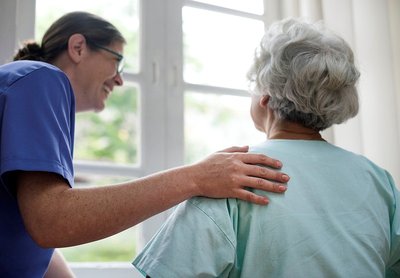
Types of Communication Impairment
Different neurological disorders manifest as specific communication impairments:
Anomia: Difficulty retrieving words during spontaneous speech.
Aphasia/Dysphasia: Disorder affecting ability to use or understand verbal or written language.
Dysarthria: Speech disorder caused by poor coordination of speech muscles, often seen in Parkinson’s and Multiple Sclerosis.

Strategies for Communicating with Older Adults with Neurological Disorders
Effective communication strategies are vital for supporting older adults with neurological impairments.
Give Explanations: Clearly explain information and instructions.
Be Patient: Allow extra time for responses.
Do Not Guess: Avoid finishing sentences or guessing what the person is trying to say.
Speak Slowly: Repeat and rephrase as necessary.
Use Visual Cues: Incorporate objects, pictures, gestures, paper, and pencil.
Use Communicative Devices: Employ assistive technology if applicable.

Blocks to Communication with Older Adults
Several behaviors can hinder effective communication with older adults and should be avoided.
Cliché Reassurances: Avoid generic comforting phrases.
Giving Advice: Do not offer unsolicited advice.
Answering Own Questions: Allow the older adult to respond.
Defending Against Complaints: Listen and validate concerns.
Parenting Approaches/Elderspeak: Avoid patronizing speech.
Effective Communication Techniques
To foster positive interactions, use respectful and inclusive communication techniques.
Avoid Elderspeak: Use age-appropriate language.
Listen and Be Present: Show genuine interest and respect.
Non-Judgmental Attitude: Accept differences and avoid bias.
Consider Cultural Differences: Adapt communication to cultural context.
Open-Ended Questions: Encourage discussion; use close-ended for specific information.
Validate and Seek Understanding: Confirm comprehension and clarify as needed.
Face the Person: Communicate at eye level for engagement.
CULTURE AND AGING
Cultural Considerations in Aging
Culture profoundly influences health beliefs, communication, and care practices for older adults. Canada’s multicultural society presents unique challenges and opportunities in health care.
Multicultural Society: Over 6 million visible minorities and 1.4 million Indigenous people in Canada.
Immigrant Population: Approximately one-third of Canadians over 65 are immigrants.
Health Disparities: Indigenous people face more chronic illnesses, disability, and lower life expectancy.
Socio-Economic Challenges: Immigrants may face barriers to accessing health care.
Cultural Impact: Culture shapes views on aging, health, and roles in families and communities.

Culturally Safe Care and Nursing Implications
Providing culturally safe care requires sensitivity, awareness, and knowledge of diverse backgrounds.
Cultural Sensitivity: Nurses must reflect on their own biases and learn about other cultures.
Communication: Consider cultural implications when interacting and providing care.
Knowledge: Stay informed about cultural practices and beliefs.
Indigenous Culture and Health Disparities
Health disparities among Indigenous peoples are rooted in historical and systemic factors, including colonialization, assimilation policies, and racism.
Residential Schools: Intergenerational trauma affects health and well-being.
Truth and Reconciliation: Ongoing efforts to address historical injustices.
Health Accord (2022): Action plans for inclusion and partnership with Indigenous peoples.

Indigenous Elders: Roles and Respect
Indigenous elders are highly respected and play vital roles in their communities, including teaching, counseling, conducting ceremonies, healing, and conflict resolution.
Roles: Teacher, counselor, ceremony conductor, healer, conflict resolver.
Knowledge Transmission: Teach ceremonies and healing practices to the next generation.
Community Respect: Elders are committed to living what they teach and are respected in their communities.
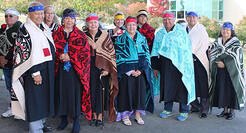
Reminiscence and Life Review
Reminiscence and life review are therapeutic processes that involve recalling past events, feelings, and experiences to facilitate adaptation and quality of life in older adults.
Reminiscence: Any recall of the past to facilitate pleasure or adaptation.
Life Review: Intentional reflection on past experiences to resolve trauma and assess life in totality.
Application: Used in therapeutic settings to support mental health and well-being.
Health Accord NL, 2022: Inclusion Action Plan
The Health Accord NL emphasizes the importance of combining modern medicine with traditional healing methods and actively including diverse communities in health system planning.
Action 5: Create a provincial pathway for inclusion.
Collaboration: Incorporate views of women, Indigenous peoples, racialized Canadians, newcomers, faith-based communities, persons with disabilities, LGBTQ2 communities.
Best Approach: Combine modern medicine and traditional healing methods.
Communication Impairment | Definition | Associated Disorders | Strategies |
|---|---|---|---|
Anomia | Difficulty retrieving words during speech | Stroke, Brain Injury | Allow time, use visual cues |
Aphasia/Dysphasia | Impaired ability to use/understand language | Stroke, ALS | Repeat, rephrase, use communicative devices |
Dysarthria | Poor coordination of speech muscles | Parkinson’s, Multiple Sclerosis | Speak slowly, sit up straight, limit conversation when tired |
Additional info: Academic context was added to clarify definitions, strategies, and cultural implications for personal health students.
