 Back
BackN1015 Prenatal and Infant Health - Class 9
Study Guide - Smart Notes
 Tailored notes based on your materials, expanded with key definitions, examples, and context.
THE PRENATAL AND INFANT PERIODS
Concepts of Development and Sleep
The prenatal and infant periods are critical stages in human development, characterized by rapid physical, cognitive, and psychosocial changes. Understanding these concepts is essential for promoting health and preventing disease.
Development: Refers to the sequence of physical, psychosocial, and cognitive changes throughout the human lifespan. Development is influenced by physiological maturity, health status, environment, and social/family context.
Sleep: A fundamental human need for survival, health, and well-being. Sleep involves periodic suspension of consciousness and restorative physiological processes. Impaired sleep can lead to physical, cognitive, and social challenges.
The Prenatal Period
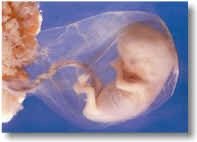
The prenatal period spans from conception to birth, typically lasting 38-40 weeks and divided into three trimesters. This period is marked by significant fetal development and vulnerability to environmental influences.
Normal Gestation: Approximately 38-40 weeks, divided into three trimesters.
Preconception and Primary Prevention
Primary prevention during preconception aims to optimize maternal health and reduce risks to the fetus, especially during weeks 4-10 when the fetus is most sensitive to exposures.
Recommendations: Multivitamin supplementation (calcium, vitamin D, iron, folic acid), limit alcohol, encourage abstinence, harm-reduction for substance use, physical activity (150 min/week), immunizations, smoking cessation, stress management.
Prenatal Care (Secondary Prevention)
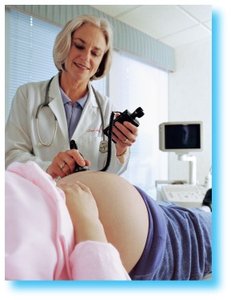
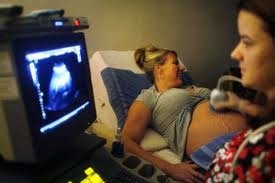
Prenatal care focuses on improving maternal health and monitoring fetal development. By the time prenatal care begins (weeks 8-12), significant fetal development has already occurred.
Goal: Improve health of pregnant parent and monitor fetal development.
Major Concerns in the Prenatal Stage
Several factors can impact prenatal health, including birth weight, poverty, social support, violence and abuse, nutrition, alcohol and drug use, exercise, screening, and environmental hazards.
Birth Weight: Prevention of low birth weight is crucial. Preterm infants (<37 weeks) are at higher risk for health complications and mortality.
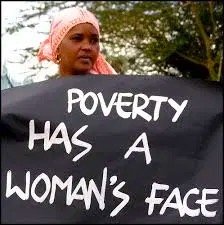
Poverty: Socioeconomic status affects access to food, shelter, and care. Vulnerable groups include single mothers, racialized women, women with disabilities, and seniors.
Social Support: Local initiatives and programs provide education, nutrition, and financial support to pregnant women.
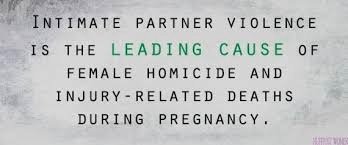
Violence and Abuse: Domestic violence is a severe stressor during pregnancy, associated with unemployment, substance abuse, poverty, and family dysfunction. Nurses play a key role in education, screening, and assessment.
Nutrition: Healthy eating and adequate nutrient intake (folic acid, iron, omega-3s) are essential for fetal development. Recommended weight gain is 25-30 lbs.
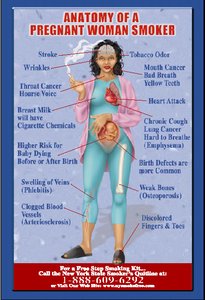
Smoking: Smoking during pregnancy decreases maternal pulmonary function, reduces fetal oxygen, causes low birth weight, increases risk of stillbirth, birth defects, SIDS, and learning difficulties.
Alcohol and Drug Use: Substances cross the placental barrier, causing fetal alcohol spectrum disorder (FASD) and other developmental disabilities.
Exercise: Low-impact, low-weight bearing activities are recommended; avoid extreme conditions and high-risk activities.
Screening: Includes "TORCH" screening for infections, genetic tests, and monitoring for gestational diabetes, heart disease, and hypertension.
Environmental Hazards: Avoid exposure to physical (noise, heat, radiation, chemicals) and biological (STIs, hepatitis, parasites) hazards.













INFANT PERIOD (BIRTH TO 1 YEAR)
Growth and Development
Infant development is rapid and encompasses physical, cognitive, and psychosocial domains. Theories such as Erikson's Trust vs. Mistrust, Piaget's Sensorimotor, and Vygotsky's socio-cultural theory provide frameworks for understanding this stage.
Physical: Rapid growth in size and weight.
Cognitive: Development of motor and language skills.
Psychosocial: Transition from reflexive to purposeful behaviors.


Promoting Healthy Parenting
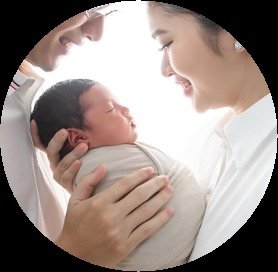
Health promotion for parents focuses on attachment, parental tasks, and strategies to address common issues such as crying, sleep, bowels, and feeding.
Parental Attachment: Encouraging bonding and secure relationships.
Parental Tasks: Addressing perception vs. reality, providing support for common challenges.
Local Programs: Healthy Beginnings, Welcome to Parenting, Nobody’s Perfect, prenatal classes, post-natal visits, breastfeeding support, child health clinics.







Rourke Baby Record (RBR)
The Rourke Baby Record is an evidence-based guide used by Canadian healthcare professionals for well baby and child visits from 1 week to 5 years of age.
Infant Nutrition
Nutrition recommendations for infants should be tailored to developmental level, socioeconomic status, and family culture. Breastfeeding is promoted exclusively for the first 6 months, with continued support for up to 2 years or longer alongside complementary feeding.
Dental Hygiene: Tooth eruption begins at 5-6 months; promote good dental care.
Feeding Alternatives: Information on supplements, introduction of solid foods, foods to avoid, and when to seek help.

Baby Bottle Syndrome
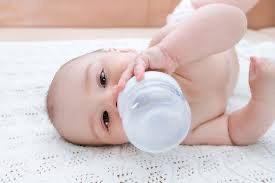
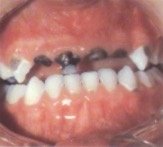
Baby bottle syndrome is the decay of front teeth and molars due to prolonged bottle feeding, continuous use, or falling asleep with the bottle. Extraction of affected teeth is often required.
Communicable Diseases and Immunizations
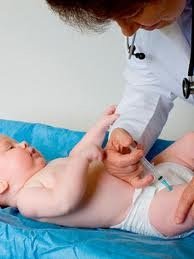
Infants are vulnerable to communicable diseases such as respiratory infections, measles, mumps, rubella, polio, pertussis, tetanus, diphtheria, chicken pox, hepatitis B, HPV, and COVID-19. Immunizations are promoted at various contacts and are essential as maternal protection wanes.
Immunization Schedule: Routine vaccines are administered at specific ages and grades. See table below for details.


Routine Immunization Schedule for Children Beginning Series in Early Infancy
Age | Vaccine |
|---|---|
2 months | DTaP-IPV-Hib, Pneumococcal conjugate vaccine, Rot-1 (oral) |
4 months | DTaP-IPV-Hib, Pneumococcal conjugate vaccine, Rot-1 (oral) |
6 months | DTaP-IPV-Hib |
6 months and older | Influenza and COVID-19 vaccine (seasonal) |
12 months | Pneumococcal conjugate vaccine, MMRV, Men-C |
18 months | DTaP-IPV-Hib, MMRV |
4-6 years | DTaP-IPV or Tdap-IPV |
Routine Immunization Schedule as part of the School Health Program
Grade | Vaccine |
|---|---|
Grade 4 | Men-C-ACYW-135 |
Grade 6 | HB and HPV-9 |
Grade 8 and 9 | Tdap |
Safety
Infants are at risk for injury from falls, motor vehicle accidents, environmental hazards, toxic agents, radiation, and biological agents. Safety education focuses on preventable injuries, fall prevention, baby-proofing, and proper use of child restraints.
Fall Prevention: Use safety gates, avoid walkers, secure furniture, clean spills, and lock windows.
Baby Proofing: Socket plugs, toxic agents out of reach, secure cords, eliminate sharp objects.
Child Restraints: Proper use is essential; head falling forward can compromise respiration, high center of gravity increases risk in crashes.
Prevention of Child Abuse
Supports for healthy families, awareness campaigns, safety practices, and reporting are key strategies. Shaken Baby Syndrome (SBS) is a severe consequence of violent shaking, leading to brain damage, hemorrhage, seizures, paralysis, blindness, and death.
Levels of Prevention
Primary Prevention: Immunizations, child restraints, parenting classes.
Secondary Prevention: Universal screening, early assessment, developmental screening tools (ASQ, DDST II, IDI, NDDS), child health clinics, reporting suspected abuse, referrals.
Tertiary Prevention: Counseling, follow-up, treatment of injuries, ongoing support and supervision for medically fragile children.
Additional info: Academic context was added to clarify developmental theories, nutritional recommendations, and immunization schedules.
