 Back
BackPrenatal and Infant Periods: Health Promotion and Protection
Study Guide - Smart Notes
 Tailored notes based on your materials, expanded with key definitions, examples, and context.
The Prenatal Period
Development and Sleep
The prenatal period encompasses the time from conception to birth, during which rapid physical, psychosocial, and cognitive changes occur. Sleep is a fundamental human need, essential for survival, health, and well-being, and involves complex physiological processes that are restorative in nature.
Development: Refers to the sequence of changes throughout the human lifespan, influenced by physiological maturity, health, environment, and social context.
Sleep: Involves periodic suspension of consciousness and is critical for neurologic, metabolic, and endocrine function. Impaired sleep can lead to physical, cognitive, and social challenges.
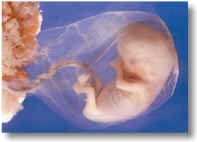
Normal Gestation and Trimesters
Normal gestation lasts approximately 38-40 weeks and is divided into three trimesters. Each trimester marks significant developmental milestones for the fetus.
Preconception and Primary Prevention
Primary prevention before conception is crucial, as the fetus is most sensitive to maternal and environmental exposures between weeks 4-10 of pregnancy. Recommendations include:
Daily multivitamin with folic acid (400 mcg if trying to conceive)
Limiting or abstaining from alcohol
Engaging in 150 minutes of moderate-vigorous physical activity per week
Quitting smoking
Managing stress through activities like yoga
Ensuring up-to-date immunizations
Prenatal Care (Secondary Prevention)
Prenatal care aims to improve the health of the pregnant parent and fetus. By the time care begins (usually weeks 8-12), significant fetal development has occurred. Early and regular prenatal visits are essential for monitoring and promoting health.
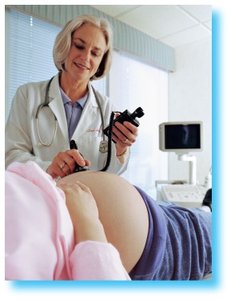
Major Concerns in the Prenatal Stage
Birth weight
Poverty
Social support
Violence and abuse
Nutrition
Alcohol and drug use
Exercise
Screening
Environmental hazards
Birth Weight
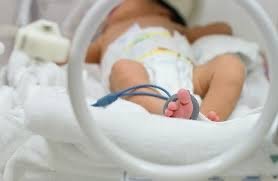
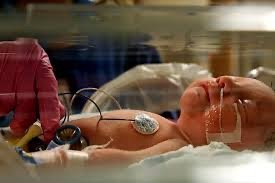
Low birth weight is the most critical concern during the prenatal period. Preterm infants (born before 37 weeks) are at increased risk for health complications and mortality. Babies born before 32 weeks and weighing less than 1,550 grams are at the highest risk for long-term disabilities.
Poverty and Social Determinants of Health (SDOH)
Poverty significantly impacts prenatal health, affecting access to food, shelter, and care. Women facing multiple barriers (e.g., racialized, disabled, single mothers) are at higher risk. Social support programs and government initiatives are essential for improving outcomes.


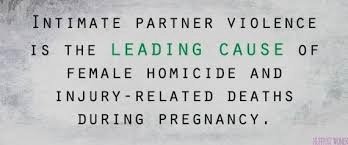
Violence and Abuse
Domestic violence is a severe stressor for pregnant women and is associated with negative outcomes for both mother and child. Nurses play a key role in education, screening, and assessment.


Nutrition
Proper nutrition is vital for fetal development. Recommendations include:
Folic acid: 400 mcg daily for women of childbearing age, 600 mcg if pregnant, 500 mcg during lactation
Recommended weight gain: 25-30 lbs
Emphasis on nutrient-dense foods and omega-3 fatty acids (minimum 150g cooked fish/week)
Increased caloric and protein intake during pregnancy
Multivitamins with iron as needed

Smoking
Smoking during pregnancy decreases maternal pulmonary function, reduces fetal oxygen, and increases the risk of low birth weight, stillbirth, birth defects, SIDS, and learning difficulties.


Alcohol and Drug Use
Alcohol and drugs cross the placental barrier and can cause fetal alcohol spectrum disorder (FASD), the leading preventable developmental disability in Canada. Harm reduction and abstinence are key prevention strategies.

Exercise
Exercise during pregnancy should be low-impact and low weight-bearing, with avoidance of extreme temperatures and high-risk activities. Plans should be developed with healthcare providers.

Screening and Environmental Hazards
Screening for biological hazards (e.g., TORCH infections, HIV, Zika) and genetic abnormalities (e.g., ultrasound, amniocentesis) is essential. Pregnant women should avoid physical hazards (noise, pesticides, radiation) and biological hazards (STIs, infections).


The Infant Period (Birth to 1 Year)
Growth and Development
Infancy is characterized by rapid physical, cognitive, and psychosocial development. Key theories include Erikson's Trust vs. Mistrust, Piaget's Sensorimotor stage, and Vygotsky's socio-cultural theory.
Parenting and Attachment
Health promotion focuses on supporting parental attachment, addressing common parenting concerns (crying, sleep, feeding), and providing resources for new parents.


Nutrition
Nutrition should be tailored to the infant's developmental level and family context. Exclusive breastfeeding is recommended for the first 6 months, with continued breastfeeding and appropriate complementary feeding up to 2 years or longer. Good dental hygiene should be promoted as tooth eruption begins around 5-6 months.

Baby Bottle Syndrome
Prolonged bottle feeding, especially falling asleep with a bottle, can cause decay of front teeth and molars, often requiring extraction.

Communicable Diseases and Immunizations
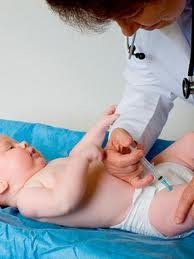
Infants are vulnerable to respiratory and vaccine-preventable diseases. Immunizations are promoted through various healthcare contacts and follow a routine schedule.


Safety and Injury Prevention
Common causes of injury in infants include falls, motor vehicle accidents, and environmental hazards. Safety education focuses on fall prevention, baby-proofing, proper use of child restraints, and prevention of child abuse.
Prevention Levels
Primary Prevention: Immunizations, child restraints, parenting classes
Secondary Prevention: Universal newborn screening, developmental assessments, child health clinics, mandatory reporting of abuse
Tertiary Prevention: Counseling and support for victims of abuse, treatment of injuries, ongoing support for medically fragile children
