 Back
BackPsychological and Biomedical Therapies: Approaches, Effectiveness, and Barriers
Study Guide - Smart Notes
 Tailored notes based on your materials, expanded with key definitions, examples, and context.
Topic 14: Therapies
Historical Approaches to Mental Health Treatment
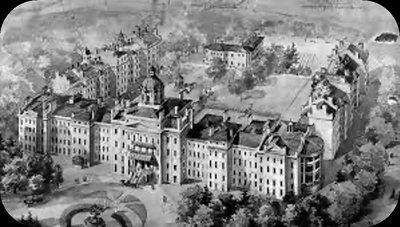
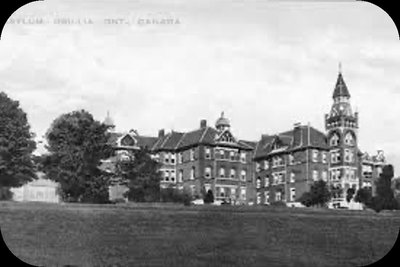
The history of mental health treatment has evolved significantly, from the establishment of early institutions to modern therapeutic approaches. Early institutions in the 1400s were often characterized by brutal conditions, while the late 1800s saw overcrowded asylums and ineffective treatments such as cold water submersion and electroshock therapy. The 1960s marked a turning point with the discovery of antipsychotic medications, deinstitutionalization, and the rise of residential treatment centers.
Early Institutions: Built to house individuals with mental illness, often under harsh conditions.
Asylums: Overcrowding and ineffective treatments were common.
Deinstitutionalization: Shifted care to community-based settings, leading to increased homelessness among mentally ill individuals.
Mental Health & Homelessness in Canada
Mental health issues are prevalent among homeless populations in Canada, with youth and Indigenous individuals experiencing higher rates of mental health and substance use challenges. Deinstitutionalization has contributed to homelessness and justice involvement among mentally ill individuals.
Prevalence: 85% of homeless individuals report at least one health challenge.
Youth: Highest prevalence of mental health issues (67%).
Indigenous Respondents: Higher rates of substance use (69%) compared to non-Indigenous (57%).
Former Youth in Care: Significantly higher rates of mental health and substance use issues.
The Courts & Mental Health
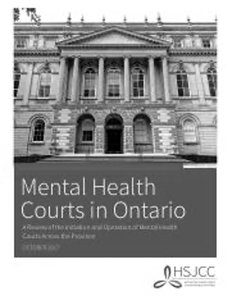
The legal system may compel individuals with mental health issues to enter treatment, often through community treatment orders. These orders require individuals to live in the community under legally mandated treatment conditions, such as taking medication and attending psychiatric appointments. The issue is controversial, balancing individual rights with public safety.
Community Treatment Orders: Legal mandates for treatment in the community.
Controversy: Concerns about individual rights and resource shortages.
Barriers to Psychological Treatment
Access to psychological treatment is hindered by several barriers, including stigma, ambiguous disorders, cultural attitudes, gender roles, geographical and financial constraints.
Stigma: Negative perceptions about mental illness.
Cultural Barriers: Less likely to seek treatment in collectivist cultures.
Gender Roles: Men may avoid treatment due to masculinity norms.
Financial and Geographical Barriers: Limited access in rural areas and for those without insurance.
Types of Therapists
Different professionals provide mental health treatment, each with specific qualifications and roles.
Clinical Psychologists: PhD or PsyD, specialize in assessment and treatment.
Counselling Psychologists: PhD, EdD, or master's degree, focus on adjustment problems.
Psychiatrists: MDs, can prescribe medication, treat severe disorders.
Psychoanalysts: Specialize in psychoanalysis, often MDs or psychologists.
Registered Psychotherapists: Provide therapy, varying educational backgrounds.
Licensed Professional Counsellors: Master's degree, certified to provide therapy.
Clinical/Psychiatric Social Workers: Master's degree, specialized training.
Cultural and Gender Barriers
Cultural background and gender norms significantly influence attitudes toward mental health treatment. In Canada, Asian Canadians and Indigenous people are less likely to seek treatment compared to Canadians of European background. Therapy is more accepted in individualistic cultures.
Masculinity Norms: Emotional disclosure seen as weakness.
Symptom Recognition: Depression in men may manifest as anger or substance use.
Attitudinal Barriers: Preference for self-reliance and discomfort with vulnerability.
Service Fit: Services may not be tailored to men's communication styles.
Psychological Treatment Approaches
Insight Therapies
Insight therapies involve dialogue between client and therapist to gain awareness and understanding of psychological problems and conflicts. Psychodynamic therapies emphasize discovering and resolving unconscious conflict.
Psychoanalysis: Developed by Freud, aims to release unconscious thoughts and feelings.
Techniques: Free association, dream analysis.
Resistance: Inability or unwillingness to discuss certain memories.
Transference: Transfer of feelings to the psychoanalyst.


Psychodynamic Therapy
Modern psychodynamic therapy is shorter in duration and focuses on early childhood experiences and emotional attachments. It is partially empirically supported, especially for panic disorder, opiate addiction, and borderline personality disorder.
Person-Centered Therapy
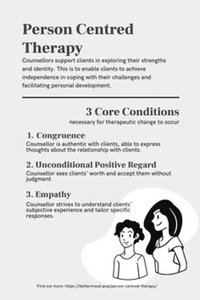
Person-centered therapy is a non-directive, humanistic approach that emphasizes the therapeutic relationship, self-actualization, and empathy. Positive regard and empathy are strong predictors of therapeutic success.
Core Conditions: Congruence, unconditional positive regard, empathy.
Behavioral Approaches
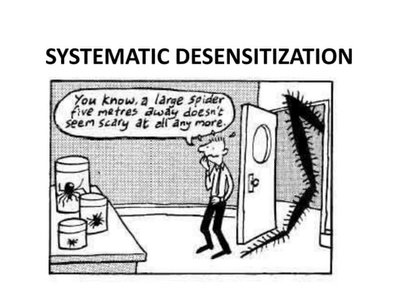
Behavioral therapies apply principles of learning to change undesirable behaviors. Classical conditioning techniques include aversive conditioning, systematic desensitization, and flooding.
Aversive Conditioning: Uses unpleasant stimuli to stop unwanted behaviors.
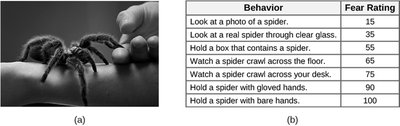
Systematic Desensitization: Gradual exposure to anxiety-provoking stimuli paired with relaxation.
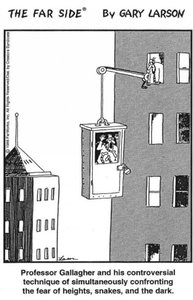
Flooding: Rapid exposure to anxiety-provoking stimuli.
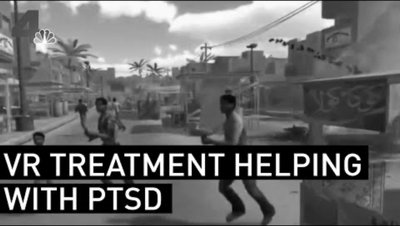
Operant Conditioning Techniques
Operant conditioning techniques reward desirable behaviors and extinguish negative behaviors through ignoring or punishing. Methods include token systems, contingency contracting, and observational learning.
Token System: Rewards for desirable behaviors.
Contingency Contracting: Written agreement outlining goals and consequences.
Observational Learning: Modeling behavior to teach new skills.

Cognitive-Behavioral Therapies (CBT)
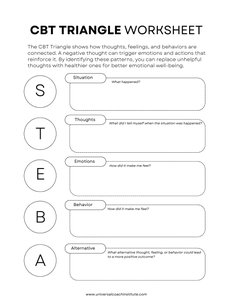
CBT, developed by Aaron Beck, assumes negative emotions stem from faulty thinking. It helps clients find more logical, positive ways to interpret situations. Key techniques include cognitive restructuring, exposure, and relaxation.
Cognitive Restructuring: Rethink negative beliefs.
Exposure: Face avoided situations.
Relaxation: Regain emotional control.
Dialectical Behavioral Therapy (DBT)
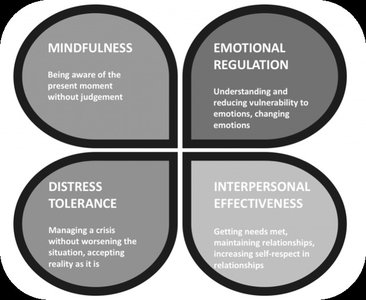
DBT focuses on acceptance and change, teaching behavioral skills to manage emotions and distress. It is especially effective for personality disorders.
Distress Tolerance: Negative emotions are inevitable but temporary.
Mindfulness Training: Attention to present experiences without judgment.
Interoceptive Exposure Therapy
Used to treat panic disorder, this therapy involves purposefully arousing symptoms of a panic attack to help clients perceive them as harmless.
Examples: Spinning in a chair, breathing through a straw, stair climbing.
Mindfulness-Based Cognitive Therapy
This approach combines mindfulness meditation with CBT tools, encouraging decentering and objective self-observation.
Group and Family Therapies
Group therapy involves meeting with a therapist and other clients for support and advice. Family therapy aims to adopt new, constructive roles and patterns of behavior.
Self-Help Groups: Such as Alcoholics Anonymous (AA).
Family Therapy: Focuses on family dynamics and roles.


Effectiveness of Therapy
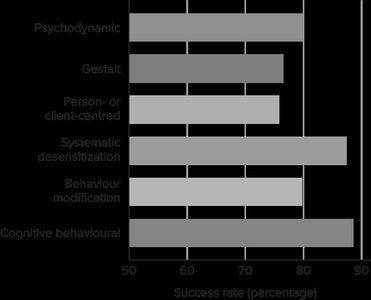
Psychotherapy is effective for most people, but not all. Different treatments are suited for different problems, and therapists often use an eclectic approach.
Effectiveness: Measured by outcome scores compared to untreated individuals.
Biomedical Therapies
Antipsychotic Drugs
Antipsychotic drugs temporarily reduce psychotic symptoms by blocking dopamine receptors. Newer antipsychotics may increase dopamine in certain brain areas.
Antianxiety Drugs
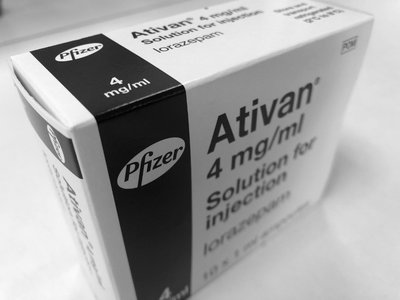
Benzodiazepines (e.g., Xanax, Valium, Ativan) reduce excitability and increase well-being by affecting GABA activity. There are concerns about dependence and lethality with alcohol.
Antidepressant Drugs
Antidepressants improve well-being and are used for anxiety disorders. Types include tricyclics, MAO inhibitors, and selective serotonin reuptake inhibitors (SSRIs).
SSRIs: Target serotonin, allow it to linger at synapse (e.g., Prozac, Zoloft).
Side Effects: Nausea, diarrhea, sexual dysfunction.
Herbal Remedies
St. John’s Wort is a supplement shown to reduce depression, but quality is not standardized and it can interact with other medications.
New Directions in Psychopharmacology
Ketamine Therapy: Blocks NDMA receptor, affects glutamate, promising for treatment-resistant depression.
Transcranial Magnetic Stimulation (TMS): Magnetic pulse activates neurons, effective for depression.
Electroconvulsive Therapy (ECT): Used for severe depression, involves electric current, controversial due to side effects.
Psychosurgery: Last resort for severe OCD, depression, bipolar disorder.
Eye Movement Desensitization & Reprocessing (EMDR)
EMDR involves conjuring traumatic images and performing rapid eye movements. It is controversial due to lack of strong evidence and unclear mechanisms.
On Being Sane in Insane Places (Rosenhan, 1970s)
This famous study demonstrated the challenges of psychiatric diagnosis and the depersonalization experienced by patients in mental hospitals.
Findings: Sane individuals admitted to hospitals, treated as schizophrenics, received little attention.
