Which of the double bonds in zingiberene, the compound responsible for the aroma of ginger, is most reactive in an electrophilic addition reaction with HBr?
Verified step by step guidance
1
Identify the structure of zingiberene from the image. Zingiberene contains three double bonds labeled as 1, 2, and 3. These double bonds are located in different positions within the molecule, and their reactivity in electrophilic addition reactions depends on their electronic environment and steric factors.
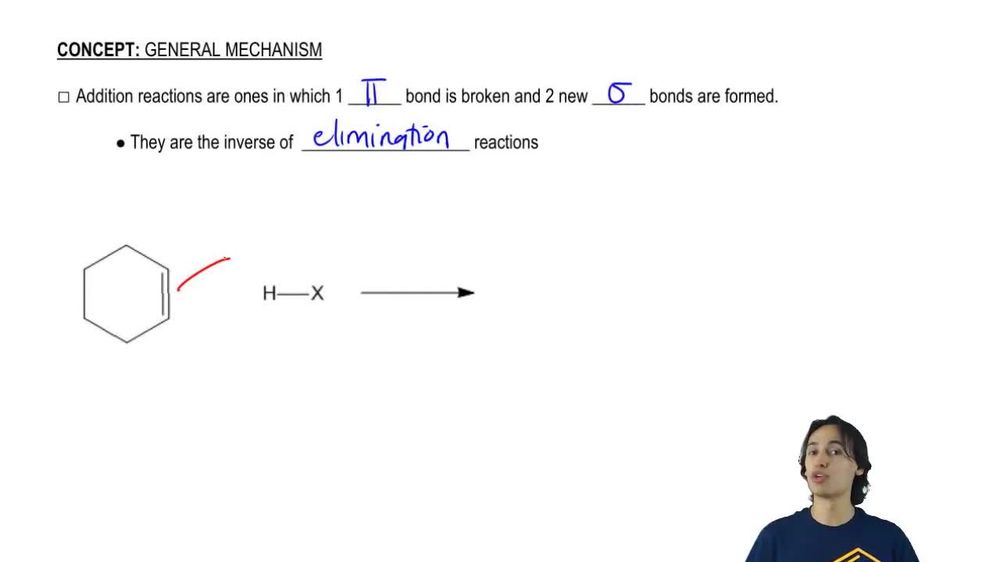
Understand the mechanism of electrophilic addition of HBr. In this reaction, the π-electrons of the double bond attack the electrophilic hydrogen (H⁺) of HBr, forming a carbocation intermediate. The stability of this carbocation intermediate is a key factor in determining which double bond is most reactive.
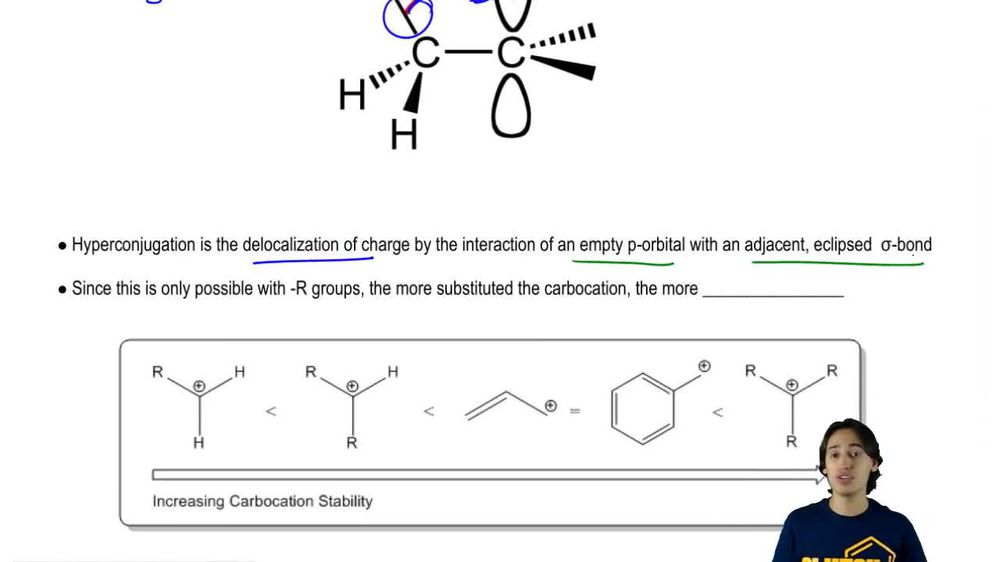
Analyze the stability of the carbocation intermediates formed by each double bond. Double bond 1 forms a secondary carbocation, double bond 2 forms a tertiary carbocation, and double bond 3 forms a primary carbocation. Tertiary carbocations are the most stable due to hyperconjugation and inductive effects, followed by secondary and then primary carbocations.
Consider steric hindrance and accessibility. Double bond 2 is located in a less sterically hindered position compared to double bond 1 and double bond 3, making it more accessible for the electrophilic addition reaction.
Conclude that double bond 2 is the most reactive in an electrophilic addition reaction with HBr because it forms the most stable carbocation (tertiary) and is in a relatively accessible position within the molecule.
Verified video answer for a similar problem:
This video solution was recommended by our tutors as helpful for the problem above
Video duration:
4m
Play a video:
0 Comments
Key Concepts
Here are the essential concepts you must grasp in order to answer the question correctly.
Electrophilic Addition Reactions
Electrophilic addition reactions involve the addition of an electrophile to a nucleophile, typically across a double bond. In alkenes, the π bond is broken, allowing the electrophile to bond with one carbon atom while a nucleophile can bond with the other. The reactivity of the double bond is influenced by factors such as sterics and electronic effects, which determine how readily the double bond can react with electrophiles like HBr.
During electrophilic addition, a carbocation intermediate is often formed. The stability of this carbocation is crucial for determining the reactivity of the double bond. More stable carbocations, such as tertiary carbocations, are formed from more substituted double bonds, making those bonds more reactive in electrophilic addition reactions. Understanding the stability of these intermediates helps predict which double bond will react preferentially.
Regioselectivity refers to the preference of a chemical reaction to yield one structural isomer over others when multiple possibilities exist. In the context of electrophilic addition to alkenes, the Markovnikov rule often applies, stating that the more substituted carbon will bond with the electrophile. This concept is essential for predicting the outcome of the reaction with HBr in zingiberene, as it helps identify which double bond will be more reactive based on the structure of the compound.

 4:33 minutes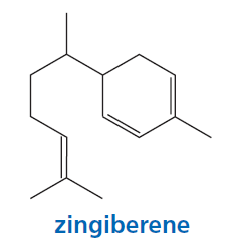
 Verified step by step guidance
 05:39
05:39