The following product was obtained from the ozonolysis of an alkene followed by treatment with dimethyl sulfide. What is the structure of the alkene? b.
Verified step by step guidance
1
Step 1: Understand the reaction. Ozonolysis is a reaction where an alkene is cleaved by ozone (O₃), resulting in the formation of carbonyl compounds. When followed by treatment with dimethyl sulfide (DMS), the ozonide intermediate is reduced to aldehydes or ketones.
Step 2: Analyze the product structure. The image shows two ketones: acetone (CH₃COCH₃) on both sides. This indicates that the original alkene was symmetrical and cleaved into two identical fragments.
Step 3: Recall the ozonolysis mechanism. The double bond in the alkene is cleaved, and each carbon of the double bond becomes part of a carbonyl group. Since the product contains two identical ketones, the alkene must have been symmetrical.
Step 4: Deduce the structure of the alkene. To form two molecules of acetone, the original alkene must have been 2,3-dimethyl-2-butene. This is because the cleavage of the double bond in this alkene would yield two identical acetone molecules.
Step 5: Verify the reasoning. The symmetry of the alkene ensures that ozonolysis produces identical fragments. The presence of dimethyl sulfide ensures the reduction of the ozonide intermediate to ketones, confirming the structure of the alkene.
Verified video answer for a similar problem:
This video solution was recommended by our tutors as helpful for the problem above
Video duration:
1m
Play a video:
0 Comments
Key Concepts
Here are the essential concepts you must grasp in order to answer the question correctly.
Ozonolysis
Ozonolysis is a reaction involving the cleavage of alkenes using ozone (O3) to form carbonyl compounds, such as aldehydes and ketones. The process typically occurs in two steps: first, the alkene reacts with ozone to form a molozonide, which rearranges to form ozonides. These ozonides can then be reduced to yield the final carbonyl products, providing insight into the structure of the original alkene.
Dimethyl sulfide (DMS) is often used as a reducing agent in organic chemistry, particularly in the context of ozonolysis. After the formation of carbonyl compounds from ozonolysis, DMS can reduce ozonides to yield stable aldehydes or ketones. Understanding this reduction step is crucial for determining the final products and, consequently, the structure of the original alkene.
The structure of alkenes is characterized by the presence of a carbon-carbon double bond, which can lead to geometric isomerism (cis/trans) and structural isomerism. Recognizing the possible configurations and substituents around the double bond is essential for deducing the original alkene from the products formed during ozonolysis. This understanding aids in predicting the outcomes of reactions involving alkenes.

 1:19 minutes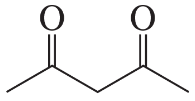
 Verified step by step guidance
 06:30
06:30