Draw a Lewis structure for each of the following: b. CH3OCH3
Verified step by step guidance
1
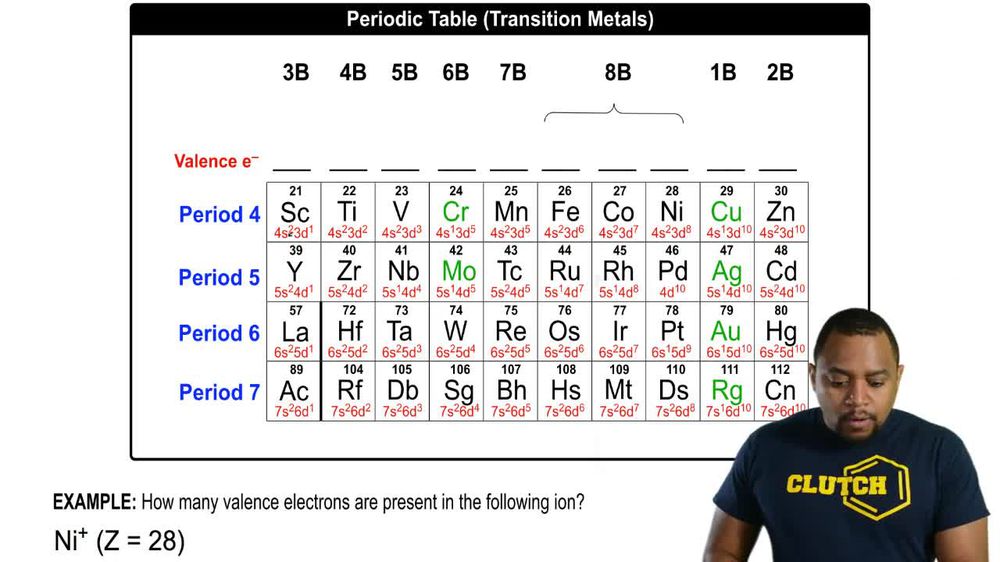
Step 1: Count the total number of valence electrons in the molecule. Carbon (C) has 4 valence electrons, hydrogen (H) has 1 valence electron, and oxygen (O) has 6 valence electrons. Add these together for all the atoms in CH₃OCH₃.
Step 2: Determine the central atoms and the general structure. In CH₃OCH₃, the oxygen (O) atom is the central atom, with two methyl groups (CH₃) attached to it. Arrange the atoms so that the oxygen is in the center, and each carbon is bonded to the oxygen.
Step 3: Place single bonds between the central oxygen atom and the two carbon atoms. Also, place single bonds between each carbon atom and its three hydrogen atoms. Each single bond represents two electrons.
Step 4: Distribute the remaining valence electrons around the oxygen atom to satisfy its octet rule. Oxygen typically needs 8 electrons in its valence shell, so place lone pairs on the oxygen atom as needed.
Step 5: Verify that all atoms satisfy the octet rule (or duet rule for hydrogen) and that the total number of valence electrons used matches the total calculated in Step 1. Adjust the structure if necessary to ensure all requirements are met.
Verified video answer for a similar problem:
This video solution was recommended by our tutors as helpful for the problem above
Video duration:
5m
Play a video:
0 Comments
Key Concepts
Here are the essential concepts you must grasp in order to answer the question correctly.
Lewis Structures
Lewis structures are diagrams that represent the bonding between atoms in a molecule and the lone pairs of electrons that may exist. They use dots to represent electrons and lines to represent bonds between atoms. Understanding how to draw Lewis structures is essential for visualizing molecular geometry and predicting reactivity.
Valence electrons are the outermost electrons of an atom and are crucial in determining how atoms bond with each other. In organic molecules, the arrangement of valence electrons influences the structure and stability of the compound. For CH3OCH3, knowing the number of valence electrons for carbon, hydrogen, and oxygen is key to constructing its Lewis structure.
Functional groups are specific groups of atoms within molecules that are responsible for the characteristic chemical reactions of those molecules. In the case of CH3OCH3, the presence of the ether functional group (–O–) is significant. Recognizing functional groups helps in understanding the properties and reactivity of organic compounds.

 5:24 minutes
 Verified step by step guidance

 04:12
04:12