
Textbook Question
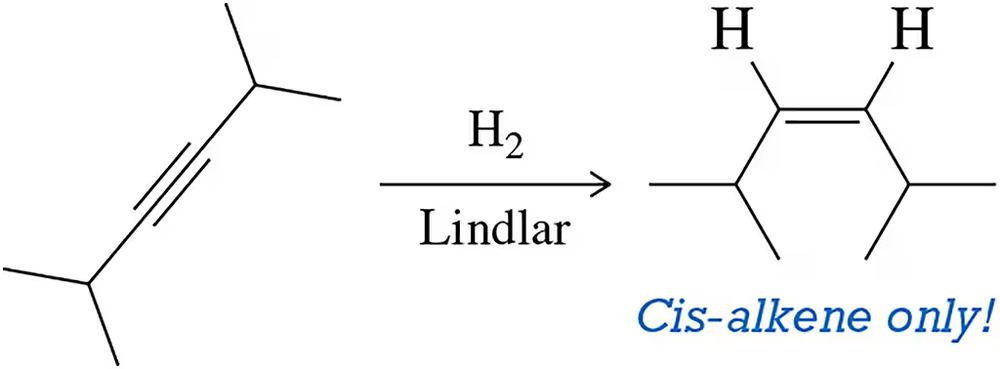
We have studied a number of pericyclic reactions previously. Draw the mechanism of the steps shown. The section number where this material was first studied is given for your review.
(c)
714
views

 Verified step by step guidance
 2:10
2:10
 1:38
1:38 00:48
00:48We have studied a number of pericyclic reactions previously. Draw the mechanism of the steps shown. The section number where this material was first studied is given for your review.
(c)
Diene A participates in a fast and efficient Diels–Alder reaction with maleic anhydride, the powerful dienophile from Assessment 22.9. However, the related diene B does not undergo a Diels–Alder reaction. Why?
In each Diels–Alder reaction shown, predict the product that will result.
(c)
Figure 22.16(a) <IMAGE> shows a unique example where the Diels–Alder reaction gives a single product (no enantiomers) regardless of whether the diene attacks the dienophile from the top or bottom.
(a) Show the product of the diene attacking from the bottom and confirm that the same product is obtained.
(b) What is special about this product that makes this true?
We have studied a number of pericyclic reactions previously. Draw the mechanism of the steps shown. The section number where this material was first studied is given for your review.
(d)
In each Diels–Alder reaction shown, predict the product that will result.
(a)