Textbook Question
Rationalize the ranking of increasing reaction rate of the benzylic halides shown.
285
views

 Mullins 1st EditionCh. 24 - Benzene II: Reactions Influenced by the Aromatic RingProblem 52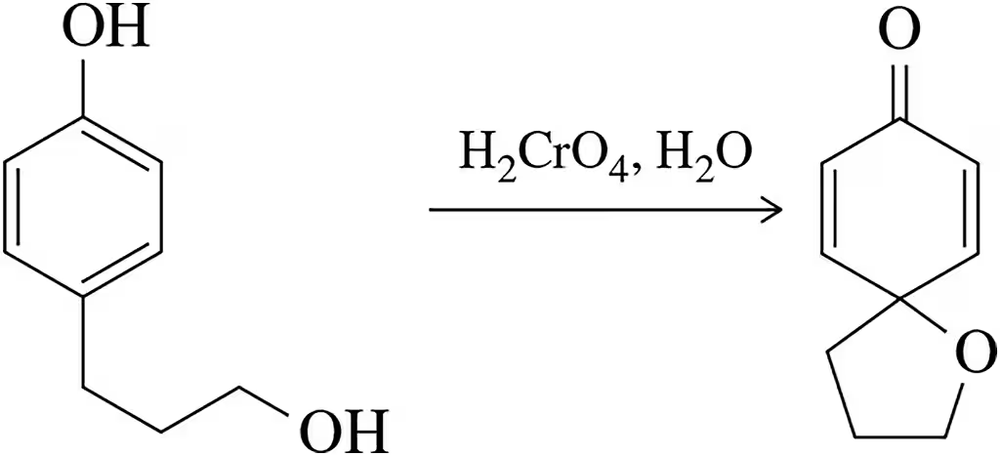
 Verified step by step guidance
 05:53
05:53
 04:32
04:32 02:27
02:27Rationalize the ranking of increasing reaction rate of the benzylic halides shown.
The following steps were used in the synthesis of the antimalarial thiaplakortone A. Identify the missing reagents, (a) and (b),
Identify the aromatic product that would result from the oxidation of the triol with an excess of PCC.
In Chapter 23, we learned about the electrophilic aromatic nitration reaction. When phenol is subjected to these conditions with a large excess of nitric acid, a molecule called picric acid is produced. Predict the product of this reaction and explain why the pKa value of this compound is 0.38.
Rationalize the fact that 1,4-dihydroxybenzene melts at a significantly higher temperature than 1,2-diydroxybenzene.
In light of your answers to Assessments 24.54 and 24.55, rank the following based on the rate of protonation of the alkene (1 = most basic, 6 = least basic). [Ignore the fact that the alkene may not be the most basic site in the molecule.]